
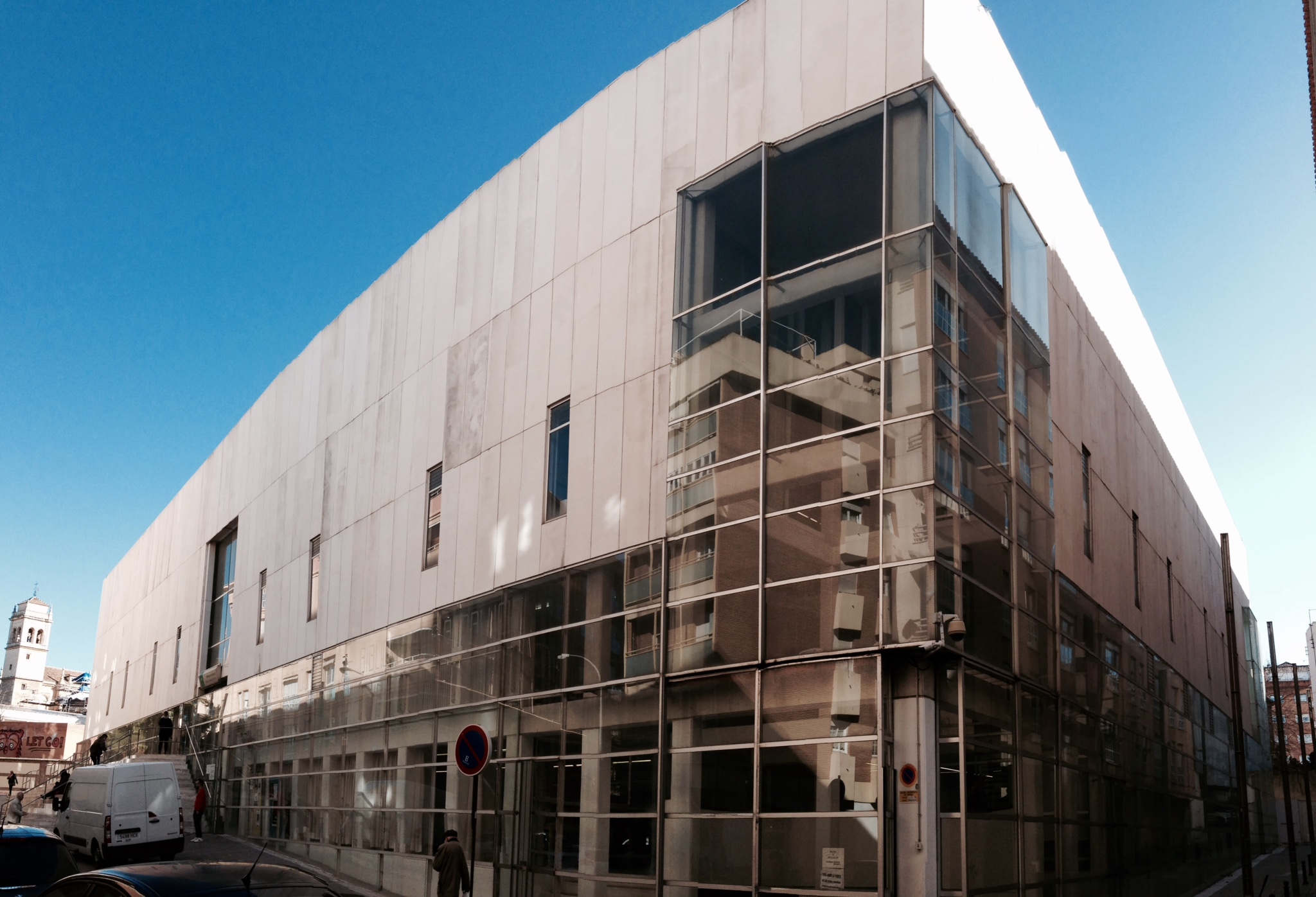
The Biblioteca de Andalucía holds a unique position within the autonomous community. It is, by designation, the reference library. But that title only begins to capture what it actually does. Its real work is threefold: collecting, preserving, and—perhaps most crucially—ensuring access. Access to what? To the documentary and bibliographical heritage of Andalusia. This is not a passive endeavour. The library actively pursues materials through the Legal Deposit system, which obliges publishers to submit copies of everything produced in the region. But it goes further. Works about Andalusia, regardless of where they were printed, are also gathered. As are works by Andalusian authors, no matter where they happen to have been published. The net result is a collection of remarkable diversity. Books, of course, but also periodicals, maps, posters, sound recordings, and audiovisual materials. Each format captures something different about Andalusian culture, and together they offer a more complete picture.
Now, among these holdings, there are pieces that deserve special attention. One is an incunable edition of Seneca’s complete works, printed in 1478. It is old, yes, but more than that: it is a tangible link to the region’s classical heritage. The library also preserves the personal libraries of poets Luis Rosales and José Luis Cano. These collections are significant not merely because of their age or rarity, but because they reveal something about the minds that produced some of Andalusia’s most memorable literature. Yet the library is not fixated on the past. Its digital archive is growing steadily, and it now offers online access to historical newspapers like ABC de Sevilla and Ideal de Granada. This matters. It means that someone in Córdoba, or Madrid, or even further afield, can explore regional memory without having to visit in person. The library also organises exhibitions and issues publications designed to promote Andalusian book culture. Outreach, in other words. And outreach matters.
Fundamentally, the Biblioteca de Andalucía understands its role as more than just a repository. It is a cultural institution, yes. But it is also a public one. Its collections exist to be used, not simply admired from a distance. Researchers, students, and ordinary citizens alike are encouraged to explore them. The library’s doors are open. Its digital portals are open. And that openness, in the end, is what gives the institution its true meaning.
La Biblioteca de Andalucía nace a partir de la aprobación de la Ley 8/1983, de Bibliotecas de Andalucía. Es el órgano bibliotecario central de la Comunidad Autónoma. En 1987 se publica el Decreto que desarrolla sus funciones. La Biblioteca comenzó su andadura en 1988, ubicándose en el antiguo Colegio de Niñas Nobles de Granada, con fondos procedentes del Depósito Legal. Fue inaugurada el 2 de abril de 1990 en su ubicación provisional. Desde 1994, mediante un Convenio entre el Ministerio de Cultura y la Comunidad Autónoma de Andalucía, comparte la sede con la Biblioteca Provincial de Granada-Biblioteca Pública del Estado.
