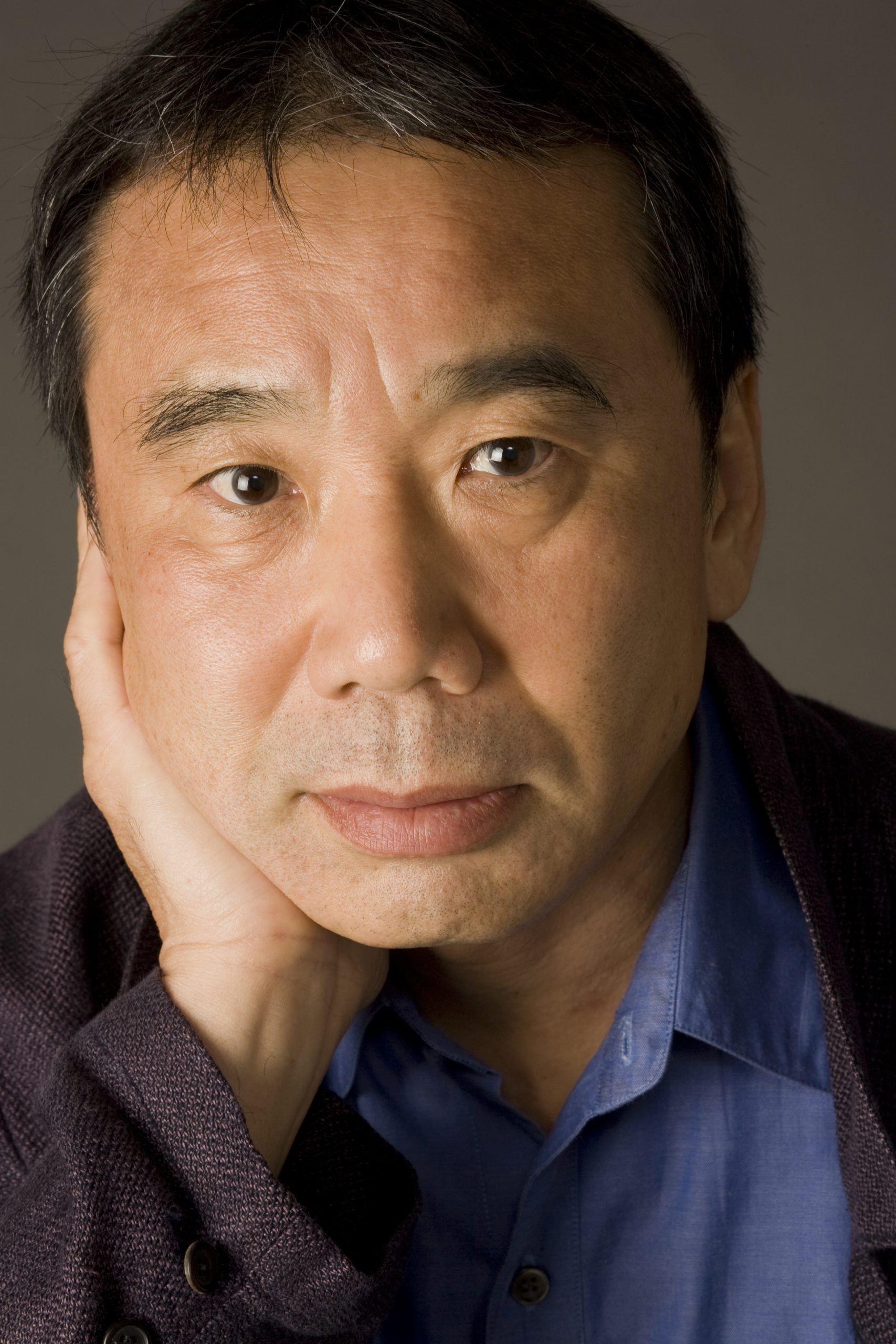
In 1978, Haruki Murakami was twenty-nine and running a jazz bar in downtown Tokyo. One April day, the impulse to write a novel came to him suddenly while watching a baseball game. That first novel, Hearthe Wind Sing, won a new writers’ award and was published the following year. More followed, including A Wild Sheep Chase and Hard–Boiled Wonderland and the End of the World, but it was NorwegianWood, published in 1987, that turned Murakami from a writer into a phenomenon.
In 1978, Haruki Murakami was twenty-nine and running a jazz bar in downtown Tokyo. One April day, the impulse to write a novel came to him suddenly while watching a baseball game. That first novel, Hearthe Wind Sing, won a new writers’ award and was published the following year. More followed, including A Wild Sheep Chase and Hard–Boiled Wonderland and the End of the World, but it was NorwegianWood, published in 1987, that turned Murakami from a writer into a phenomenon.
Watch 2026 Dublin Literary Award winner, Ali Smith, and author Belinda McKeon in conversation, which took place on 22nd May 2026 at the Dublin International Literature Festival
VideoAugust 27 2026
2026 Dublin Literary Award Ceremony
Watch back the 2026 Dublin Literary Award Ceremony which took place on 21st May 2026
NewsMay 21 2026
2026 Dublin Literary Award Winner Revealed
Discover this year's winner!
VideoMay 16 2026
Brigitte Giraud – Live Fast Q&A
Q&A Session with 2026 Dublin Literary Award shortlisted author Brigitte Giraud, author of Live Fast, exploring the inspirations behind her novel.