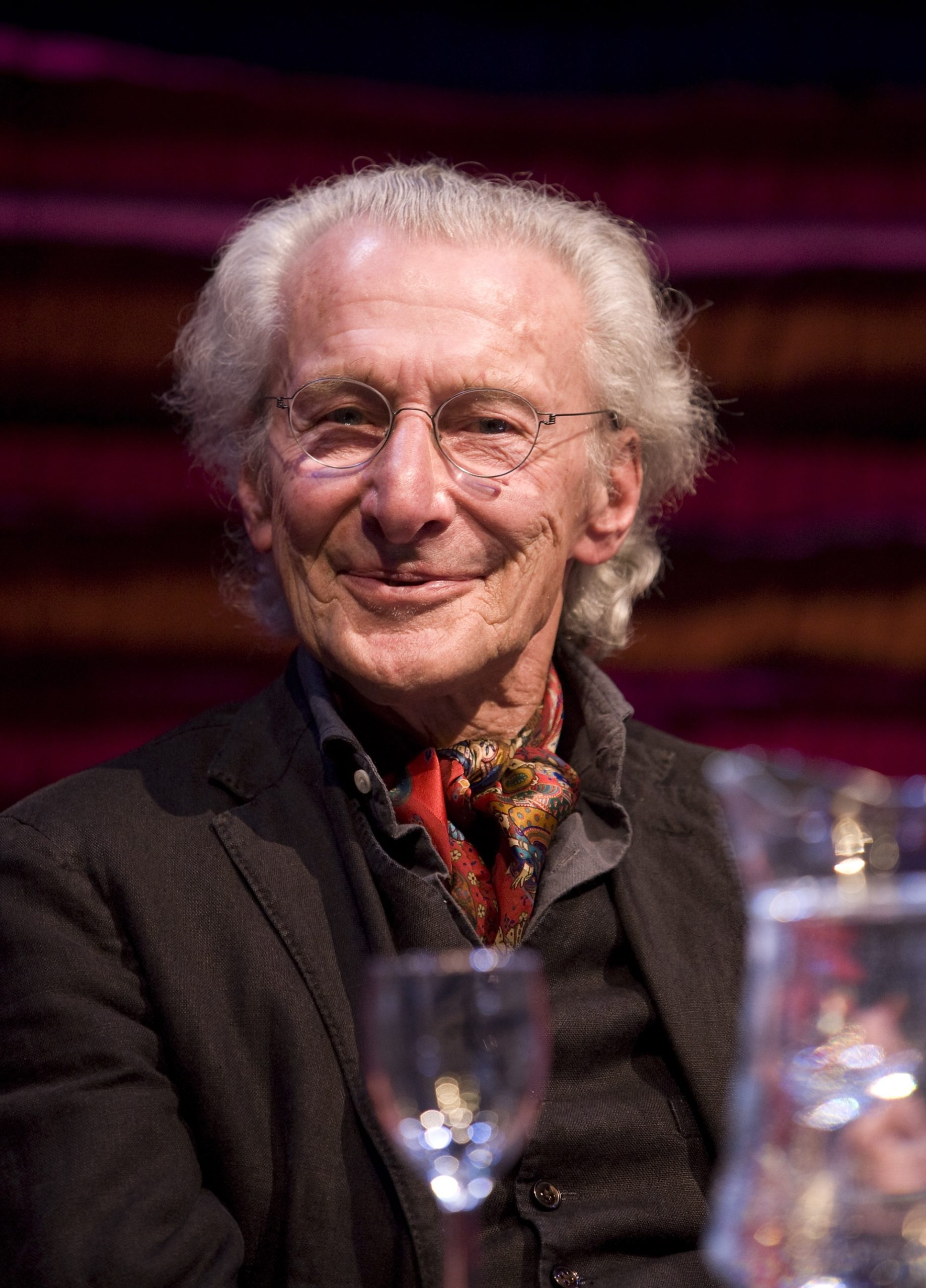
Harry Mulisch was a prominent Dutch author, born on July 29, 1927, in Haarlem, Netherlands. His early life was profoundly affected by the traumas of World War II, particularly the loss of family members in concentration camps, which deeply influenced his literary themes. Mulisch began writing during a break from school due to the war and published his first novel, *Archibald Strohalm*, in 1952, winning a literary prize. He gained international acclaim with *Het stenen bruidsbed* (1959), which explored the psychological scars of war through the story of an American bomber pilot returning to Dresden.
His most famous work, *De aanslag* (1982), tells a complex tale of betrayal during the war and has been translated into over thirty languages. Mulisch’s writing is noted for its intellectual depth, experimental style, and the incorporation of contemporary political issues, reflecting his liberal views. Throughout his career, he authored thirteen novels and numerous other works, including plays and essays, earning accolades such as the Prijs der Nederlandse Letteren in 1995. Mulisch passed away on November 7, 2010, leaving behind a legacy that continues to resonate in Dutch literature.
Harry Mulisch was a prominent Dutch author, born on July 29, 1927, in Haarlem, Netherlands. His early life was profoundly affected by the traumas of World War II, particularly the loss of family members in concentration camps, which deeply influenced his literary themes. Mulisch began writing during a break from school due to the war and published his first novel, *Archibald Strohalm*, in 1952, winning a literary prize. He gained international acclaim with *Het stenen bruidsbed* (1959), which explored the psychological scars of war through the story of an American bomber pilot returning to Dresden.
His most famous work, *De aanslag* (1982), tells a complex tale of betrayal during the war and has been translated into over thirty languages. Mulisch’s writing is noted for its intellectual depth, experimental style, and the incorporation of contemporary political issues, reflecting his liberal views. Throughout his career, he authored thirteen novels and numerous other works, including plays and essays, earning accolades such as the Prijs der Nederlandse Letteren in 1995. Mulisch passed away on November 7, 2010, leaving behind a legacy that continues to resonate in Dutch literature.