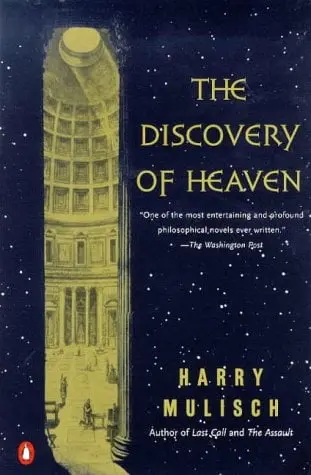
The Discovery of Heaven
1998 Nominated

The Discovery of Heaven
Translated from the Dutch
artwork-image

ABOUT
THE BOOK

On a cold night in Holland two men meet and change each other’s lives forever. Max Delius – a hedonistic, yet brilliant astronomer who loves fast cars, nice clothes and beautiful women – picks up Onno Quist, a cerebral chaotic philologist who cannot bear the ordinariness of everyday life. Despite their differences, they fast become great friends. And when they learn they were conceived on the same day, it is clear that their meeting is no coincidence. As the pair fall into and out of love with the same woman – Ada – so their lives become further intertwined. For all three are on a mysterious journey destined to shape human history. The Discovery of Heaven is internationally recognized as a masterpiece. Rich in philosophical, psychological, historical and theological enquiry, it is an extravagant, bold and satisfying novel of ideas.

Original title in Dutch De ontdekking van de hemel published by De Bezige Bij (1992)
ABOUT
THE AUTHOR Harry
Mulisch

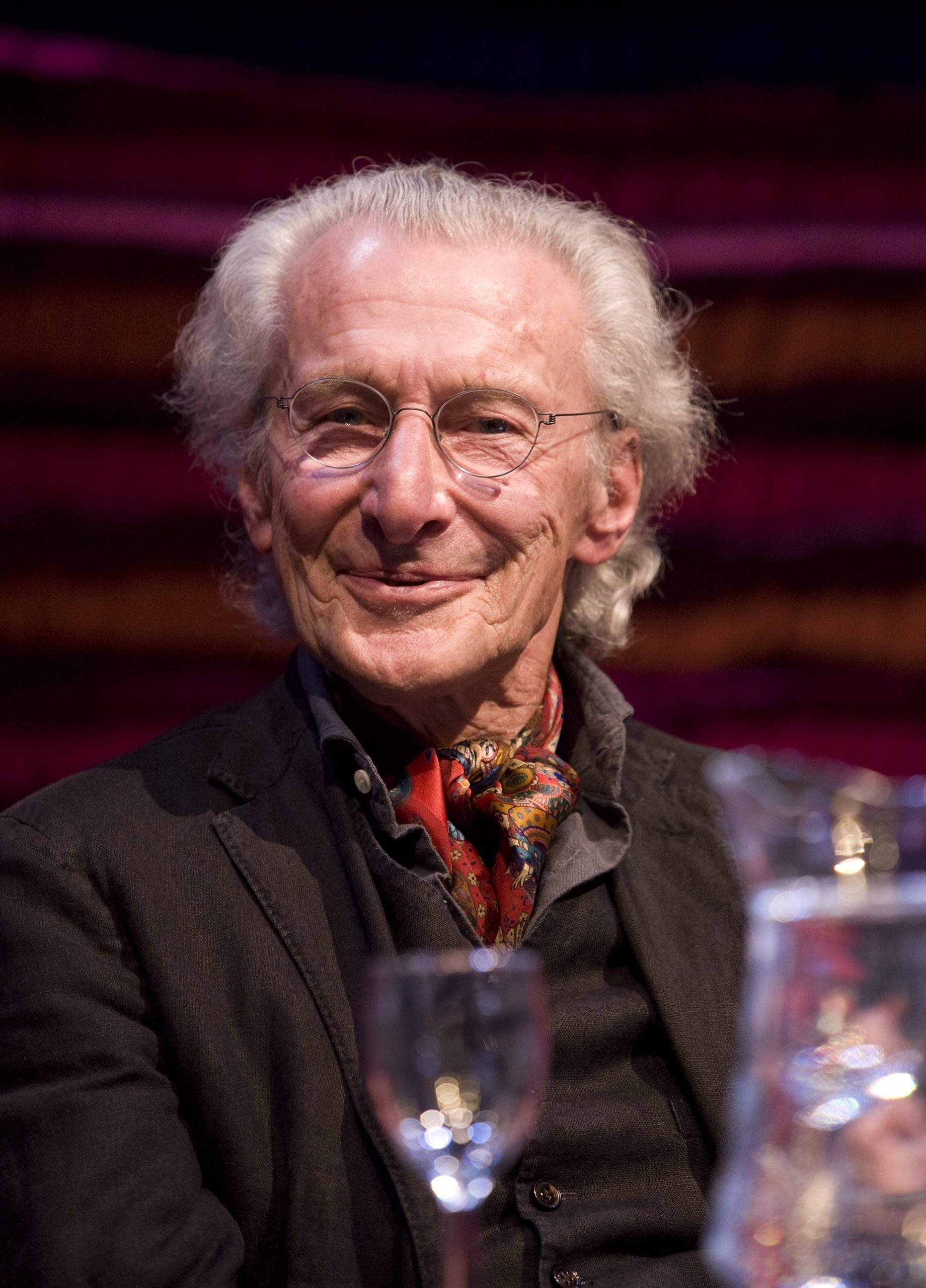
Harry Mulisch was a prominent Dutch author, born on July 29, 1927, in Haarlem, Netherlands. His early life was profoundly affected by the traumas of World War II, particularly the loss of family members in concentration camps, which deeply influenced his literary themes. Mulisch began writing during a break from school due to the war and published his first novel, *Archibald Strohalm*, in 1952, winning a literary prize. He gained international acclaim with *Het stenen bruidsbed* (1959), which explored the psychological scars of war through the story of an American bomber pilot returning to Dresden.

His most famous work, *De aanslag* (1982), tells a complex tale of betrayal during the war and has been translated into over thirty languages. Mulisch’s writing is noted for its intellectual depth, experimental style, and the incorporation of contemporary political issues, reflecting his liberal views. Throughout his career, he authored thirteen novels and numerous other works, including plays and essays, earning accolades such as the Prijs der Nederlandse Letteren in 1995. Mulisch passed away on November 7, 2010, leaving behind a legacy that continues to resonate in Dutch literature.

ABOUT
THE TRANSLATOR Paul
Vincent

Paul Vincent is a Dutch translator, currently living in London. He studied German, French and Dutch at Cambridge University and taught Dutch for many years at London University before becoming a full- time translator. He has translated over thirty books of fiction and non-fiction, winning the 2011 Vondel Prize for his version of My Little War by Louis Paul Boon. In poetry he has translated among others Achterberg, Reve, Hooft, Elsschot, Bredero, Vondel, Jellema, Claus, Nolens (An English Anthology, Carcanet, 2018), Marsman (Reid Poetry Prize), Gorter, Gezelle, One Hundred Dutch-Language Poems (with John Irons; won Oxford -Weidenfeld Prize, 2016).

Paul Vincent is a Dutch translator, currently living in London. He studied German, French and Dutch at Cambridge University and taught Dutch for many years at London University before becoming a full- time translator. He has translated over thirty books of fiction and non-fiction, winning the 2011 Vondel Prize for his version of My Little War by Louis Paul Boon. In poetry he has translated among others Achterberg, Reve, Hooft, Elsschot, Bredero, Vondel, Jellema, Claus, Nolens (An English Anthology, Carcanet, 2018), Marsman (Reid Poetry Prize), Gorter, Gezelle, One Hundred Dutch-Language Poems (with John Irons; won Oxford -Weidenfeld Prize, 2016).

RELATED FEATURES

News November 11 2026

2027 Dublin Literary Award Judges Announced

Meet our judging panel for 2027 Dublin Literary Award
Video August 27 2026

2026 Dublin Literary Award Winner in Conversation

Ali Smith in conversation with Belinda McKeon at International Literature Festival Dublin.
Video August 27 2026

2026 Dublin Literary Award Ceremony

Watch back the 2026 Dublin Literary Award Ceremony which took place on 21st May 2026
News May 21 2026

2026 Dublin Literary Award Winner Revealed

Ali Smith has won the 31st Dublin Literary Award for her novel Gliff.

STAY CONNECTED

Stay in touch and sign up to our newsletter to receive all the latest news and updates on the Dublin Literary Award.