siegfried_mulisch
2005 Nominated

Siegfried

artwork-image

ABOUT
THE BOOK

The renowned author, Rudolf Herter, is in Vienna, having been invited there to read from his new masterwork, The Invention of Love. During one television interview he is confronted by questions that will come to haunt him: can a work of imagination help to understand the nature of evil? Can a modern-day novelist write of the horrors of war and, in particular, of Adolf Hitler.
Later in his visit, Herter is approached by an elderly couple, the Falks, who, inspired by his performance, wish to pass on to him a painful true account of their own. They force him to promise that he will not tell a soul until after their deaths, only then can the truth be revealed.
As servants at Hitler’s Bavarian retreat, Berghof, the Falks looked after Hitler’s lover, Eva Braun, a permanent guest. In time, they would all share a closely guarded secret. And, ultimately, their lives would become even further intertwined – through an act of brutality that would scar them forever.

ABOUT
THE AUTHOR Harry
Mulisch

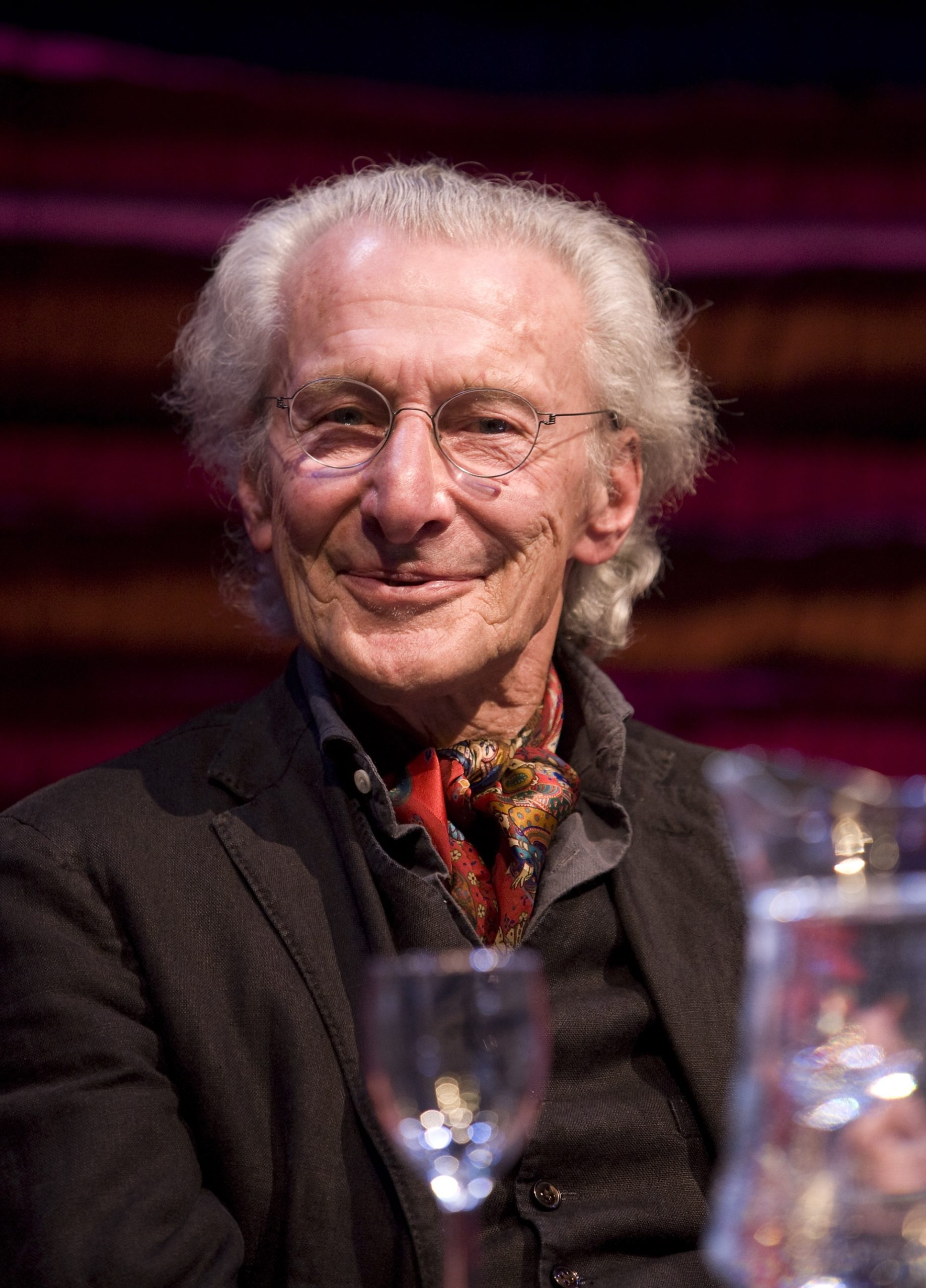
Harry Mulisch was a prominent Dutch author, born on July 29, 1927, in Haarlem, Netherlands. His early life was profoundly affected by the traumas of World War II, particularly the loss of family members in concentration camps, which deeply influenced his literary themes. Mulisch began writing during a break from school due to the war and published his first novel, *Archibald Strohalm*, in 1952, winning a literary prize. He gained international acclaim with *Het stenen bruidsbed* (1959), which explored the psychological scars of war through the story of an American bomber pilot returning to Dresden.

His most famous work, *De aanslag* (1982), tells a complex tale of betrayal during the war and has been translated into over thirty languages. Mulisch’s writing is noted for its intellectual depth, experimental style, and the incorporation of contemporary political issues, reflecting his liberal views. Throughout his career, he authored thirteen novels and numerous other works, including plays and essays, earning accolades such as the Prijs der Nederlandse Letteren in 1995. Mulisch passed away on November 7, 2010, leaving behind a legacy that continues to resonate in Dutch literature.

Harry Mulisch was a prominent Dutch author, born on July 29, 1927, in Haarlem, Netherlands. His early life was profoundly affected by the traumas of World War II, particularly the loss of family members in concentration camps, which deeply influenced his literary themes. Mulisch began writing during a break from school due to the war and published his first novel, *Archibald Strohalm*, in 1952, winning a literary prize. He gained international acclaim with *Het stenen bruidsbed* (1959), which explored the psychological scars of war through the story of an American bomber pilot returning to Dresden.

His most famous work, *De aanslag* (1982), tells a complex tale of betrayal during the war and has been translated into over thirty languages. Mulisch’s writing is noted for its intellectual depth, experimental style, and the incorporation of contemporary political issues, reflecting his liberal views. Throughout his career, he authored thirteen novels and numerous other works, including plays and essays, earning accolades such as the Prijs der Nederlandse Letteren in 1995. Mulisch passed away on November 7, 2010, leaving behind a legacy that continues to resonate in Dutch literature.

ABOUT
THE TRANSLATOR Paul
Vincent

Paul Vincent is a Dutch translator, currently living in London. He studied German, French and Dutch at Cambridge University and taught Dutch for many years at London University before becoming a full- time translator. He has translated over thirty books of fiction and non-fiction, winning the 2011 Vondel Prize for his version of My Little War by Louis Paul Boon. In poetry he has translated among others Achterberg, Reve, Hooft, Elsschot, Bredero, Vondel, Jellema, Claus, Nolens (An English Anthology, Carcanet, 2018), Marsman (Reid Poetry Prize), Gorter, Gezelle, One Hundred Dutch-Language Poems (with John Irons; won Oxford -Weidenfeld Prize, 2016).

Paul Vincent is a Dutch translator, currently living in London. He studied German, French and Dutch at Cambridge University and taught Dutch for many years at London University before becoming a full- time translator. He has translated over thirty books of fiction and non-fiction, winning the 2011 Vondel Prize for his version of My Little War by Louis Paul Boon. In poetry he has translated among others Achterberg, Reve, Hooft, Elsschot, Bredero, Vondel, Jellema, Claus, Nolens (An English Anthology, Carcanet, 2018), Marsman (Reid Poetry Prize), Gorter, Gezelle, One Hundred Dutch-Language Poems (with John Irons; won Oxford -Weidenfeld Prize, 2016).

RELATED FEATURES

News May 21 2026

2026 Dublin Literary Award Winner Revealed

Discover this year's winner!
Video May 16 2026

Brigitte Giraud – Live Fast Q&A

Q&A Session with 2026 Dublin Literary Award shortlisted author Brigitte Giraud, author of Live Fast, exploring the inspirations behind her novel.
Video May 12 2026

Laurent Binet – Perspective(s) Q&A

Check out our Q&A with Laurent Binet, author of shortlisted title Perspective(s), as he discusses the inspirations behind his work and reflects on the role libraries have played in shaping his journey
Video May 8 2026

Ali Smith – Gliff Q&A

Shortlisted author Ali Smith discusses the creative inspirations behind Gliff and reflects on the significance of libraries throughout her reading and writing life in our latest Q&A.

STAY CONNECTED

Stay in touch and sign up to our newsletter to receive all the latest news and updates on the Dublin Literary Award.