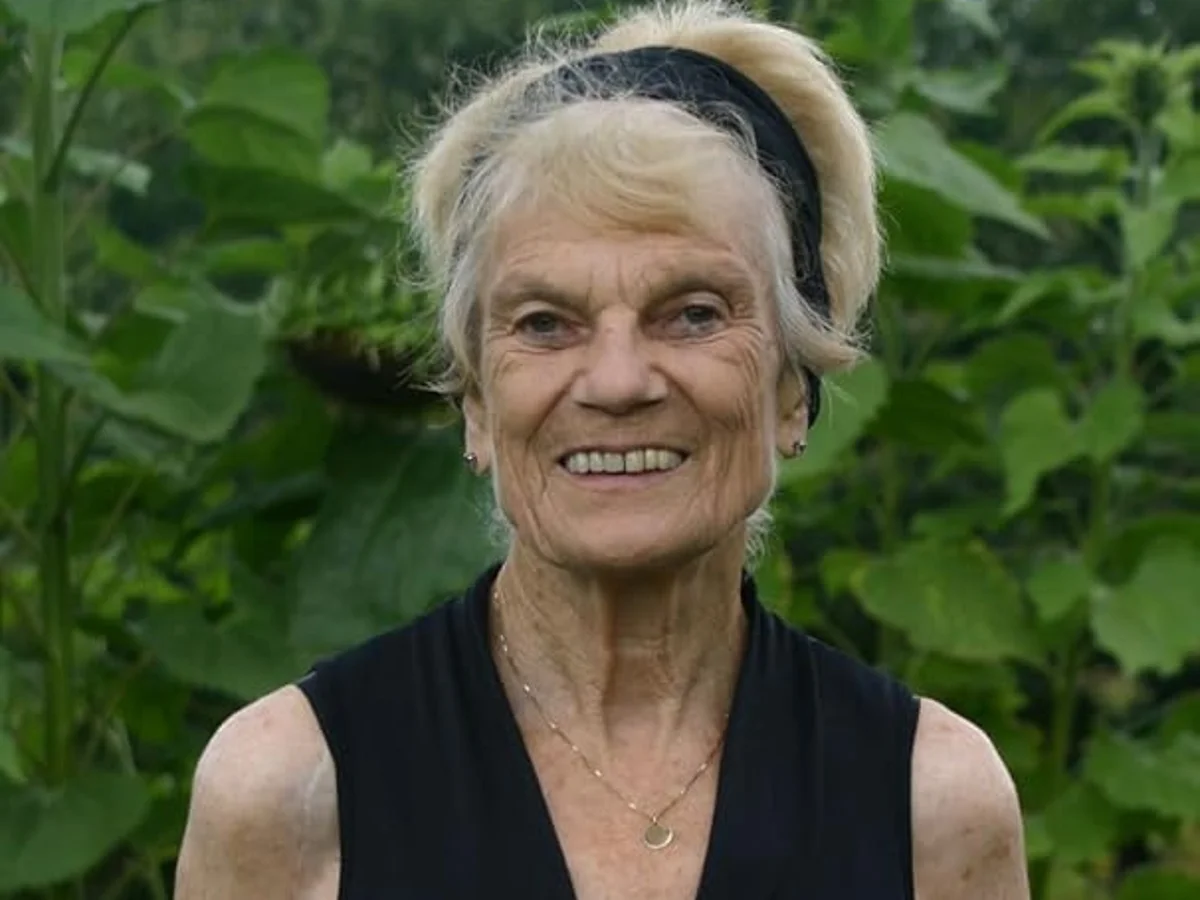
Sara Banerji (née Mostyn; 6 June 1932 – 2 November 2025) was born in 1932 in Stoke Poges, Buckinghamshire, in England. One of her ancestors is Henry Fielding, the 18th century author who wrote The History of Tom Jones, a Foundling. In 1939, when Banerji was 7, World War II began, and she was evacuated to various large and old country mansions. Her father, Basil Mostyn, fought in the war. After the war was over, Banerji emigrated with her family to Southern Rhodesia. The family lived in a single mud rondavel with no electricity or running water. Banerji later travelled all around Europe, visiting various places. She worked as an au pair and also attended art school in Austria. She has worked as an artist, and has held exhibitions of her oil paintings in India. She taught riding whilst in India, and has been a jockey. She was also a sculptress, and has previously been a waitress. Banerji worked in a coffee bar in Oxford, where she met her future husband, Ranjit Banerji, who was an undergraduate from India. He was a customer in the coffee bar. They married and moved to India, where they lived for seventeen years. Banerji attempted to run a dairy farm, which was defeated by monsoons and heavy seasons of rain.
Sara Banerji (née Mostyn; 6 June 1932 – 2 November 2025) was born in 1932 in Stoke Poges, Buckinghamshire, in England. One of her ancestors is Henry Fielding, the 18th century author who wrote The History of Tom Jones, a Foundling. In 1939, when Banerji was 7, World War II began, and she was evacuated to various large and old country mansions. Her father, Basil Mostyn, fought in the war. After the war was over, Banerji emigrated with her family to Southern Rhodesia. The family lived in a single mud rondavel with no electricity or running water. Banerji later travelled all around Europe, visiting various places. She worked as an au pair and also attended art school in Austria. She has worked as an artist, and has held exhibitions of her oil paintings in India. She taught riding whilst in India, and has been a jockey. She was also a sculptress, and has previously been a waitress. Banerji worked in a coffee bar in Oxford, where she met her future husband, Ranjit Banerji, who was an undergraduate from India. He was a customer in the coffee bar. They married and moved to India, where they lived for seventeen years. Banerji attempted to run a dairy farm, which was defeated by monsoons and heavy seasons of rain.
Watch 2026 Dublin Literary Award winner, Ali Smith, and author Belinda McKeon in conversation, which took place on 22nd May 2026 at the Dublin International Literature Festival
VideoAugust 27 2026
2026 Dublin Literary Award Ceremony
Watch back the 2026 Dublin Literary Award Ceremony which took place on 21st May 2026
NewsMay 21 2026
2026 Dublin Literary Award Winner Revealed
Discover this year's winner!
VideoMay 16 2026
Brigitte Giraud – Live Fast Q&A
Q&A Session with 2026 Dublin Literary Award shortlisted author Brigitte Giraud, author of Live Fast, exploring the inspirations behind her novel.