Tinisima
1998 Nominated

Tinisima

artwork-image

ABOUT
THE BOOK

For this fictionalized account of the life of Tina Modotti (1896-1942), Elena Poniatowska devoted ten years of research to fully understand the woman who was so caught up in the social and political turbulence of the pre-World War II decades. At different times in her life, Modotti was a silent screen actress, a model for Diego Rivera’s murals, and a lover of photographer Edward Weston. She was also a champion for the Mexican people who lovingly referred to her as Tinisima. In 1929, Modotti was accused of the murder of Julio Antonio Mella, her Cuban lover. She fled to the U.S.S.R. to escape the Mexican press and then to Europe, where she became a Soviet secret agent and a nurse under an assumed name, returning to Mexico to meet an early death at the age of forty-five.
“Poniatowska has made an art form of blending journalism and fiction. She tells this novel in an urgent present tense, segueing among short, vivid scenes with cinematic virtuosity. Ten years of research and a thorough knowledge of the currents of history contribute to this portrait, but equally important is Poniatowska’s intuitive appreciation of a woman shaped and destroyed by her tumultuous times.”-

ABOUT
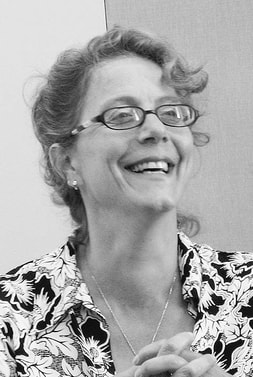
THE AUTHOR Elena
Poniatowska

Elena Poniatowska was born in France, in 1933. Her mother was the daughter of wealthy Mexican aristocrats and her father, a French count of Polish origin. In 1942, Poniatowska and her family moved to Mexico to escape war-time deprivations.

She began her writing career as a journalist. Her first job involved writing society news for the daily newspaper Excelsior. Soon, she moved on to interviewing cultural and political figures, such as muralist Diego Rivera. Most of these writings are collected in Palabras cruzadas, (1961). Through journalism and access to her interviewees, Poniatowska began to understand the Mexican society, its politics and its institutions.

She is best known for her gripping account of a massacre that took place in 1968 on Mexico City’s Plaza de Tres Culturas, also known as Tlatelolco.

Elena Poniatowska was born in France, in 1933. Her mother was the daughter of wealthy Mexican aristocrats and her father, a French count of Polish origin. In 1942, Poniatowska and her family moved to Mexico to escape war-time deprivations.

She began her writing career as a journalist. Her first job involved writing society news for the daily newspaper Excelsior. Soon, she moved on to interviewing cultural and political figures, such as muralist Diego Rivera. Most of these writings are collected in Palabras cruzadas, (1961). Through journalism and access to her interviewees, Poniatowska began to understand the Mexican society, its politics and its institutions.

She is best known for her gripping account of a massacre that took place in 1968 on Mexico City’s Plaza de Tres Culturas, also known as Tlatelolco.

We're sorry, but we couldn't find any translators matching your search. Please try using different keywords or check back later as we regularly update our collection.

ADDITIONAL INFORMATION

Country
United States
Publisher
Farrar, Straus & Giroux

RELATED FEATURES

Video April 7 2026

The 2026 Shortlist

Discover this year's Dublin Literary Award Shortlist
News April 7 2026

2026 Dublin Literary Award Shortlist is Announced

Delve into the 6 novels shortlisted this year.
News April 2 2026

Past Winner Spotlight: Michael Crummey

Reflecting on his 2025 Dublin Literary Award win with his novel 'The Adversary', libraries, literature and more.
News March 11 2026

Translator Spotlight: Jo Heinrich

Reflecting on translating the 2023 winning novel 'Marzahn, Mon Amour' and life as a literary translator.

STAY CONNECTED

Stay in touch and sign up to our newsletter to receive all the latest news and updates on the Dublin Literary Award.