the_procedure_mulisch
2003 Nominated

The Procedure

artwork-image

ABOUT
THE BOOK

In the late sixteenth century, Rabbi Jehudah Löw, in order to guarantee the safety of the Jews in Prague, creates a golem by following a procedure outlined in a third-century Cabalist text. Four hundred years later, Victor Werker, a Dutch biologist mourning the loss of his stillborn daughter, causes an international uproar when he creates a complex organic clay crystal that can reproduce and has a metabolism. But his unsettling discovery takes its toll as his inner and outer demons pursue him around the world, from California to Venice, Cairo and Jerusalem.

ABOUT
THE AUTHOR Harry
Mulisch

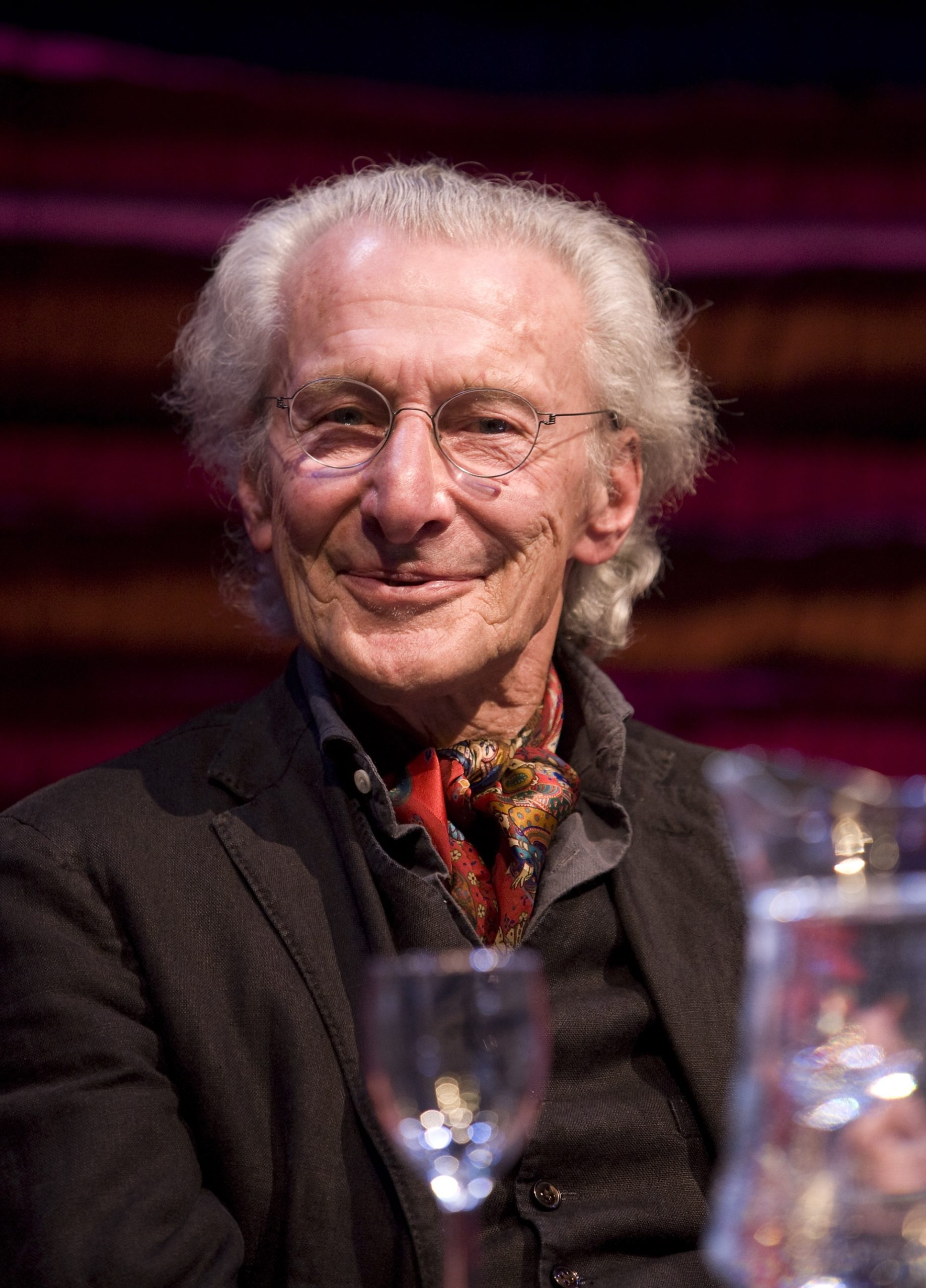
Harry Mulisch was a prominent Dutch author, born on July 29, 1927, in Haarlem, Netherlands. His early life was profoundly affected by the traumas of World War II, particularly the loss of family members in concentration camps, which deeply influenced his literary themes. Mulisch began writing during a break from school due to the war and published his first novel, *Archibald Strohalm*, in 1952, winning a literary prize. He gained international acclaim with *Het stenen bruidsbed* (1959), which explored the psychological scars of war through the story of an American bomber pilot returning to Dresden.

His most famous work, *De aanslag* (1982), tells a complex tale of betrayal during the war and has been translated into over thirty languages. Mulisch’s writing is noted for its intellectual depth, experimental style, and the incorporation of contemporary political issues, reflecting his liberal views. Throughout his career, he authored thirteen novels and numerous other works, including plays and essays, earning accolades such as the Prijs der Nederlandse Letteren in 1995. Mulisch passed away on November 7, 2010, leaving behind a legacy that continues to resonate in Dutch literature.

Harry Mulisch was a prominent Dutch author, born on July 29, 1927, in Haarlem, Netherlands. His early life was profoundly affected by the traumas of World War II, particularly the loss of family members in concentration camps, which deeply influenced his literary themes. Mulisch began writing during a break from school due to the war and published his first novel, *Archibald Strohalm*, in 1952, winning a literary prize. He gained international acclaim with *Het stenen bruidsbed* (1959), which explored the psychological scars of war through the story of an American bomber pilot returning to Dresden.

His most famous work, *De aanslag* (1982), tells a complex tale of betrayal during the war and has been translated into over thirty languages. Mulisch’s writing is noted for its intellectual depth, experimental style, and the incorporation of contemporary political issues, reflecting his liberal views. Throughout his career, he authored thirteen novels and numerous other works, including plays and essays, earning accolades such as the Prijs der Nederlandse Letteren in 1995. Mulisch passed away on November 7, 2010, leaving behind a legacy that continues to resonate in Dutch literature.

ABOUT
THE TRANSLATOR Paul
Vincent

Paul Vincent is a Dutch translator, currently living in London. He studied German, French and Dutch at Cambridge University and taught Dutch for many years at London University before becoming a full- time translator. He has translated over thirty books of fiction and non-fiction, winning the 2011 Vondel Prize for his version of My Little War by Louis Paul Boon. In poetry he has translated among others Achterberg, Reve, Hooft, Elsschot, Bredero, Vondel, Jellema, Claus, Nolens (An English Anthology, Carcanet, 2018), Marsman (Reid Poetry Prize), Gorter, Gezelle, One Hundred Dutch-Language Poems (with John Irons; won Oxford -Weidenfeld Prize, 2016).

Paul Vincent is a Dutch translator, currently living in London. He studied German, French and Dutch at Cambridge University and taught Dutch for many years at London University before becoming a full- time translator. He has translated over thirty books of fiction and non-fiction, winning the 2011 Vondel Prize for his version of My Little War by Louis Paul Boon. In poetry he has translated among others Achterberg, Reve, Hooft, Elsschot, Bredero, Vondel, Jellema, Claus, Nolens (An English Anthology, Carcanet, 2018), Marsman (Reid Poetry Prize), Gorter, Gezelle, One Hundred Dutch-Language Poems (with John Irons; won Oxford -Weidenfeld Prize, 2016).

ADDITIONAL INFORMATION

Country
The Netherlands
Original Language
Dutch
Author
Publisher
Viking
Translator
Paul Vincent

RELATED FEATURES

Video August 27 2026

2026 Dublin Literary Award Winner in Conversation

Watch 2026 Dublin Literary Award winner, Ali Smith, and author Belinda McKeon in conversation, which took place on 22nd May 2026 at the Dublin International Literature Festival
Video August 27 2026

2026 Dublin Literary Award Ceremony

Watch back the 2026 Dublin Literary Award Ceremony which took place on 21st May 2026
News May 21 2026

2026 Dublin Literary Award Winner Revealed

Discover this year's winner!
Video May 16 2026

Brigitte Giraud – Live Fast Q&A

Q&A Session with 2026 Dublin Literary Award shortlisted author Brigitte Giraud, author of Live Fast, exploring the inspirations behind her novel.

STAY CONNECTED

Stay in touch and sign up to our newsletter to receive all the latest news and updates on the Dublin Literary Award.