The Lone Man
1998 Nominated

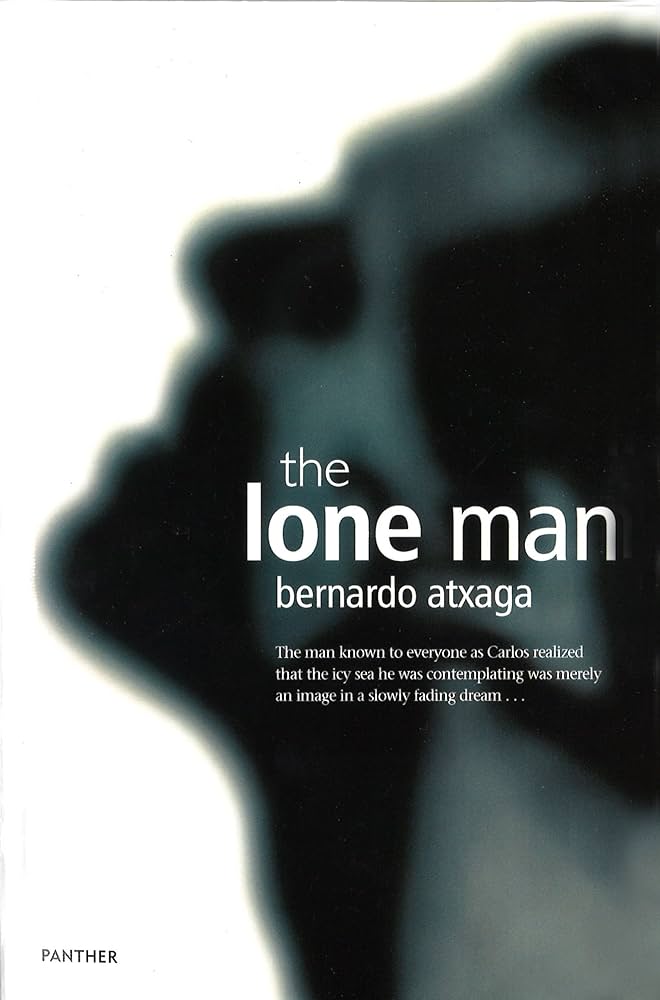
The Lone Man

Translated from the original Spanish to English
artwork-image

ABOUT
THE BOOK

Years back, before his spell in prison, before he bought the hotel outside Barcelona, Carlos had been a hunted man, activist in ETA, the Basque Independence Movement, and involved in clandestinity and violence for the good of the Cause. So what is a responsible hotelier doing back once more in the old game? The fact is, after another ETA bomb outrage, the police are out in force hunting for two escaped gunmen, a man and a woman, and Carlos has accepted to hide them in his hotel. This is while the 1982 World Cup is being played in Barcelona and police are swarming all over the hotel to protect the Polish team that is staying there. Little by little it dawns on Carlos that the police are not there to protect the team but are actually closing in on their quarry. He has to get the hunted couple out and away. The Brazil vs Argentina match would be the time to do it … The Lone Man is not, however, a simple crime thriller. It is a narrative set in a lunar landscape of fear. It is a many-layered novel about a frightened man fighting off his past, and the terror that has haunted his past. It is about life on the edge of an abyss.

ABOUT
THE AUTHOR Bernardo
Atxaga

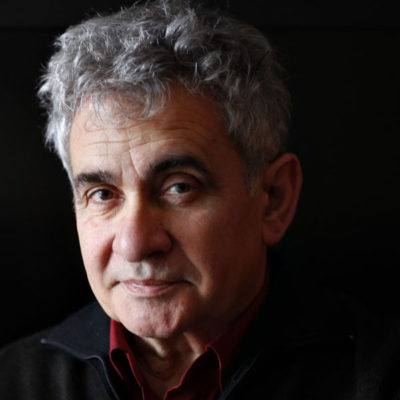
Jose Irazu Garmendia, better known as Bernardo Atxaga1, was born in Asteasu, Gipuzkoa in 1951. The landscape and people of this little village marked the author's childhood. A green mountainous landscape dotted with baserris, or Basque farmhouses, and the sound of people speaking Basque - people who enjoyed telling stories about animals and fantastic events. That is the world that Bernardo Atxaga grew up in, and the world he tried to revisit in his fantastic tales of Obaba - most poignantly in his acclaimed novel Obabakoak.

ABOUT
THE TRANSLATOR Margaret
Jull Costa

Margaret Elisabeth Jull Costa (born 2 May 1949) is a British translator of Portuguese- and Spanish-language fiction and poetry, including the works of Nobel Prize winner José Saramago, Eça de Queiroz, Fernando Pessoa, Paulo Coelho, Bernardo Atxaga, Carmen Martín Gaite, Javier Marías, and José Régio. She has won the Oxford-Weidenfeld Translation Prize more times than any other translator.

Margaret Elisabeth Jull Costa (born 2 May 1949) is a British translator of Portuguese- and Spanish-language fiction and poetry, including the works of Nobel Prize winner José Saramago, Eça de Queiroz, Fernando Pessoa, Paulo Coelho, Bernardo Atxaga, Carmen Martín Gaite, Javier Marías, and José Régio. She has won the Oxford-Weidenfeld Translation Prize more times than any other translator.

ADDITIONAL INFORMATION

Country
Spain
Original Language
Spanish
Publisher
Harvill Press
Translator
Margaret Jull Costa
Translation
Translated from the original Spanish to English

RELATED FEATURES

News May 21 2026

2026 Dublin Literary Award Winner Revealed

Discover this year's winner!
Video May 16 2026

Brigitte Giraud – Live Fast Q&A

Q&A Session with 2026 Dublin Literary Award shortlisted author Brigitte Giraud, author of Live Fast, exploring the inspirations behind her novel.
Video May 12 2026

Laurent Binet – Perspective(s) Q&A

Check out our Q&A with Laurent Binet, author of shortlisted title Perspective(s), as he discusses the inspirations behind his work and reflects on the role libraries have played in shaping his journey
Video May 8 2026

Ali Smith – Gliff Q&A

Shortlisted author Ali Smith discusses the creative inspirations behind Gliff and reflects on the significance of libraries throughout her reading and writing life in our latest Q&A.

STAY CONNECTED

Stay in touch and sign up to our newsletter to receive all the latest news and updates on the Dublin Literary Award.