
The Electrical Field
2000 Nominated

The Electrical Field

artwork-image

ABOUT
THE BOOK

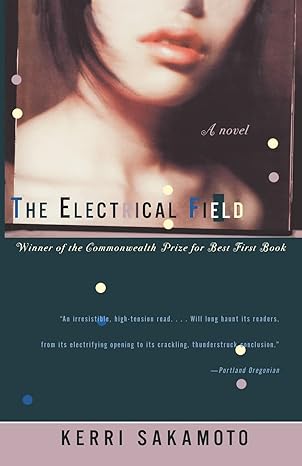
When the beautiful Chisako and her lover are found murdered in a park, members of a small Ontario community must finally acknowledge certain inescapable truths. Set in the 1970s, The Electrical Field reaches deep into the past to explore the dire legacy of the internment of Japanese-Canadians during the war.
ABOUT
THE AUTHOR Kerri
Sakamoto

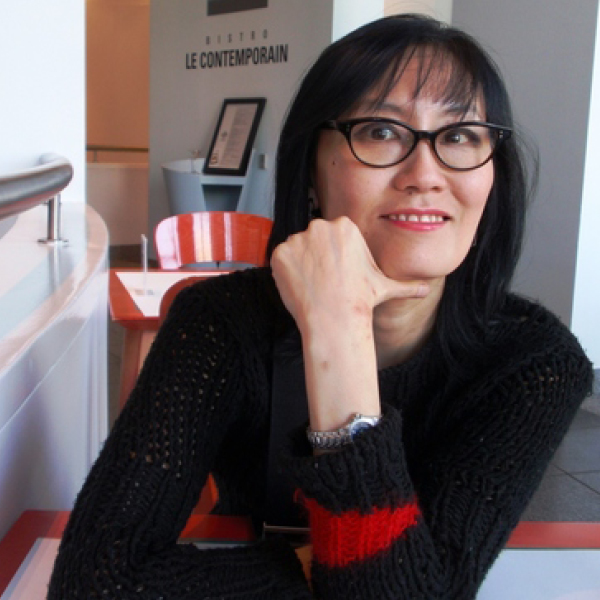
Kerri Sakamoto was born in Toronto to a Japanese Canadian family. Her first novel, The Electrical Field, was a finalist for a slew of awards—the Governor General’s Literary Award for Fiction, the Kiriyama Pacific Rim Book Prize and the IMPAC Dublin Literary Award—and won the Commonwealth Writers’ Prize for Best First Book and the Canada–Japan Literary Award. The Toronto Star said “Kerri Sakamoto represents a major new force in the landscape of Canadian fiction.” Kerri grew up in mostly white suburban Etobicoke of the 1960s and ’70s; her parents avoided talking about the camps, or even about Japanese culture and history, even though racial taunts were a fact of life. She found out about the internment camps at the age of twenty, reading a magazine article. She read Joy Kogawa’s Obasan and worked with Kogawa in the redress movement for two years, although her parents refused to attend the meetings. “It was the idea of being visible once again that was uncomfortable for them.” She felt compelled to write about the internment and its residual effects.
We're sorry, but we couldn't find any translators matching your search. Please try using different keywords or check back later as we regularly update our collection.

ADDITIONAL INFORMATION

Country
Canada
Publisher
Vintage Canada

RELATED FEATURES

News May 21 2026

2026 Dublin Literary Award Winner Revealed

Discover this year's winner!
Video May 16 2026

Brigitte Giraud – Live Fast Q&A

Q&A Session with 2026 Dublin Literary Award shortlisted author Brigitte Giraud, author of Live Fast, exploring the inspirations behind her novel.
Video May 12 2026

Laurent Binet – Perspective(s) Q&A

Check out our Q&A with Laurent Binet, author of shortlisted title Perspective(s), as he discusses the inspirations behind his work and reflects on the role libraries have played in shaping his journey
Video May 8 2026

Ali Smith – Gliff Q&A

Shortlisted author Ali Smith discusses the creative inspirations behind Gliff and reflects on the significance of libraries throughout her reading and writing life in our latest Q&A.

STAY CONNECTED

Stay in touch and sign up to our newsletter to receive all the latest news and updates on the Dublin Literary Award.