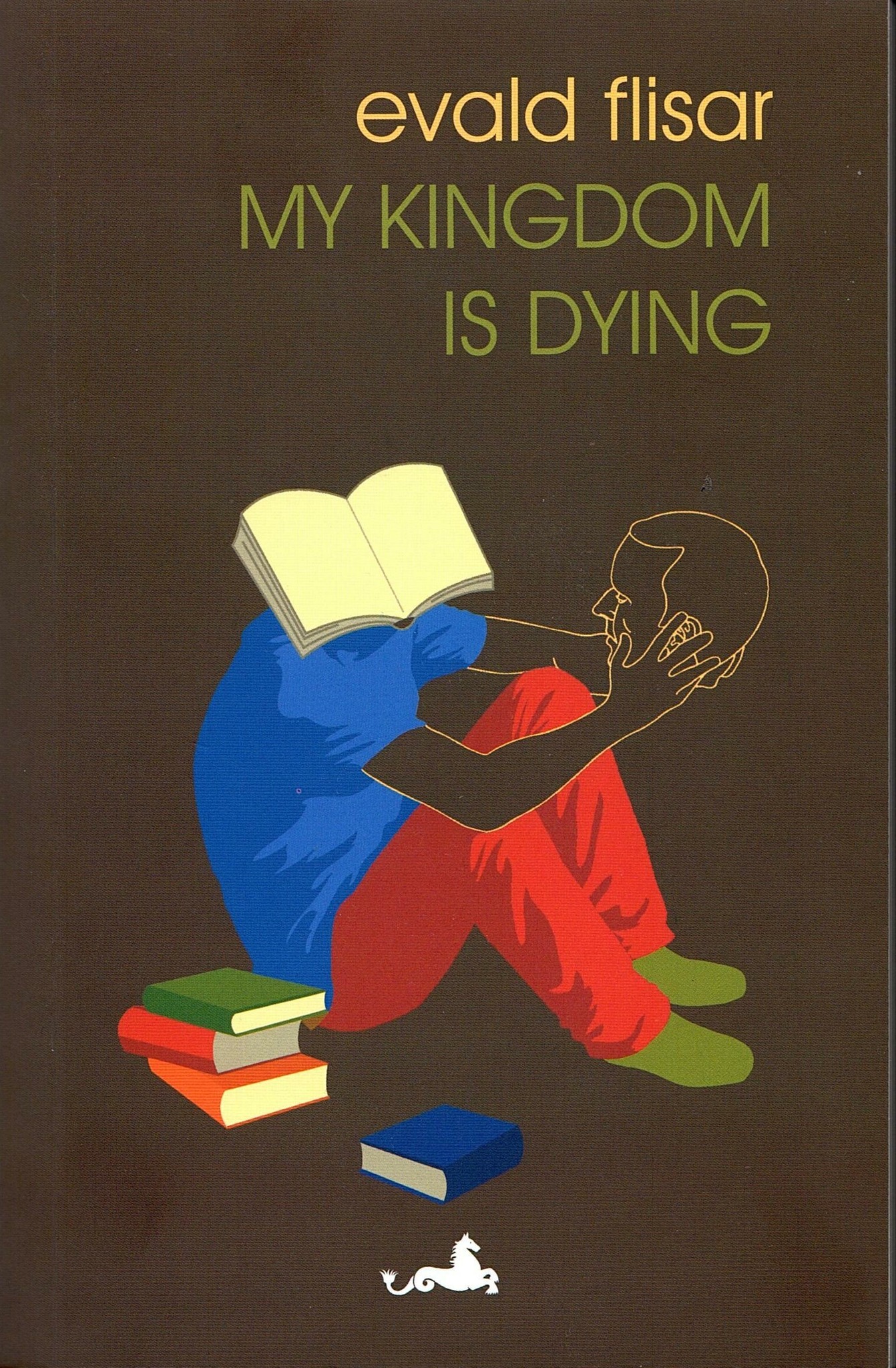
My Kingdom is Dying

ABOUT
THE BOOK
When the main character, a successful writer, experiences writer’s block, he withdraws from his malign fate to Berghof, a Swiss clinic. A number of famous names in world literature are already receiving treatment there, from Martin Amis, Graham Greene and Saul Bellow to J. M. Coetzee. But is Berghof really what it purports to be? And what role does the ever-silent figure of Scheherazade play in the novel? ‘My Kingdom is Dying’ is not just a hybrid of the genres of confession – detective story, memoir and fictional biography – but also a unique combination of fiction and metafiction, literature and meta-literary reflection. Readers follow a gripping story in which unusual events unobtrusively mingle with meaningful reflection and deep insights.
Original title in Slovenian Moje kraljestvo umira, published by Sodobnost International (2020)

ABOUT
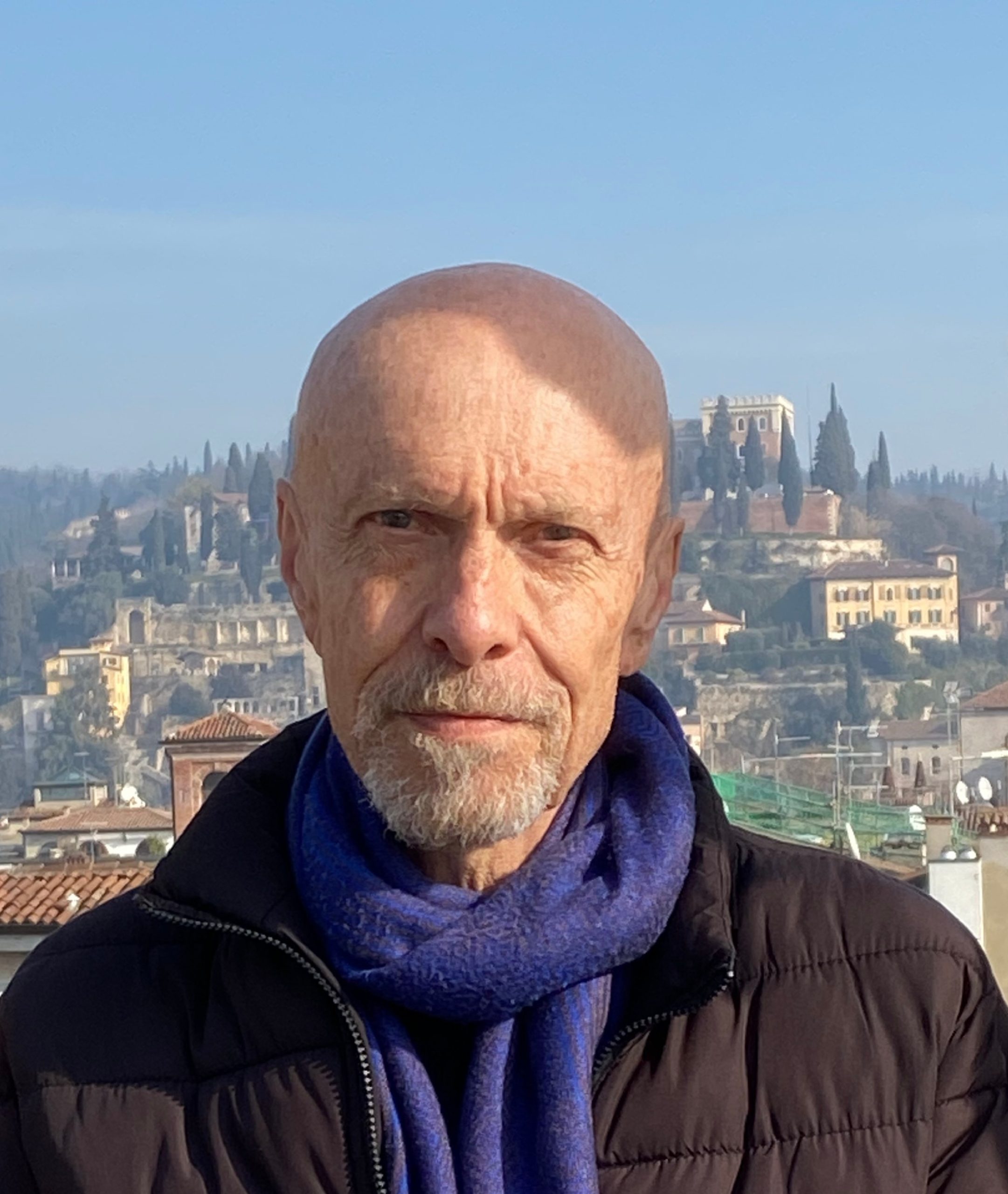
THE TRANSLATOR David
Limon
David Limon translates literature for children and adults from Slovene into English. His translations include the prize winning novels Fužinski bluz (Fužine Blues) by Andrej Skubic and Iqball hotel (Iqball Hotel) by Boris Kolar, as well as five novels by the internationally recognised author Evald Flisar. He has also translated short stories or other works by a range of writers including Fran Levstik, Ivan Cankar, Janez Trdina, Vitomil Zupan, Mirana Likar Bajželj, Tadej Golob, Lenart Zajc, Jani Virk, Nina Kokelj, Jana Bauer, Janja Vidmar and Desa Muck. He was Associate Professor at the Department of Translation at the University of Ljubljana.
David Limon translates literature for children and adults from Slovene into English. His translations include the prize winning novels Fužinski bluz (Fužine Blues) by Andrej Skubic and Iqball hotel (Iqball Hotel) by Boris Kolar, as well as five novels by the internationally recognised author Evald Flisar. He has also translated short stories or other works by a range of writers including Fran Levstik, Ivan Cankar, Janez Trdina, Vitomil Zupan, Mirana Likar Bajželj, Tadej Golob, Lenart Zajc, Jani Virk, Nina Kokelj, Jana Bauer, Janja Vidmar and Desa Muck. He was Associate Professor at the Department of Translation at the University of Ljubljana.
NOMINATING LIBRARY COMMENTS
My Kingdom is Dying captivates with its daring exploration of storytelling at the edge of meaning. Through a suspenseful and multi-layered narrative, the novel leads the reader through a labyrinth of fiction and metafiction, where reality and imagination blur. The protagonist, who has a writer’s block, finds himself in a mysterious clinic among literary giants, raising questions about the nature of creativity and the fading role of literature in the modern world. Flisar’s poetics favour depth over surface, experience over analysis, and ambiguity over certainty. This genre-defying novel, rich in intertextual references and philosophical reflection, becomes a story not only about fiction, but about the fictional nature of our lives. Its complex structure and literary courage make it a compelling nominee for the Dublin Literary Award.’ (Ljubljana City Library (Mestna knjižnica Ljubljana)
In Slovenia the novel was nominated for Kresnik award for best writen novel in 2020.
When the protagonist, a successful writer, experiences a creative block, he seeks refuge from a grim fate in the Swiss clinic Berghof. There, a host of prominent figures from the canon of world literature are already undergoing treatment — including Martin Amis, Graham Greene, Saul Bellow, and J. M. Coetzee. Yet questions soon arise: is the Berghof clinic truly what it purports to be?
My Kingdom Is Dying is not merely a hybrid of literary genres — combining elements of confession, detective fiction, memoir, and fictional biography — but rather a complex interplay of fiction and metafiction, literature and metaliterary reflection. The narrative unfolds with suspense, as uncanny events are seamlessly interwoven with contemplative insights and resonant philosophical meditations.
When one searches too fervently for the unifying thread of one’s life, one risks overlooking life itself — or, at the very least, a significant portion of it.
This novel speaks to you — to each of us. (Mariborska knjižnica)