
Kin
ABOUT
THE BOOK
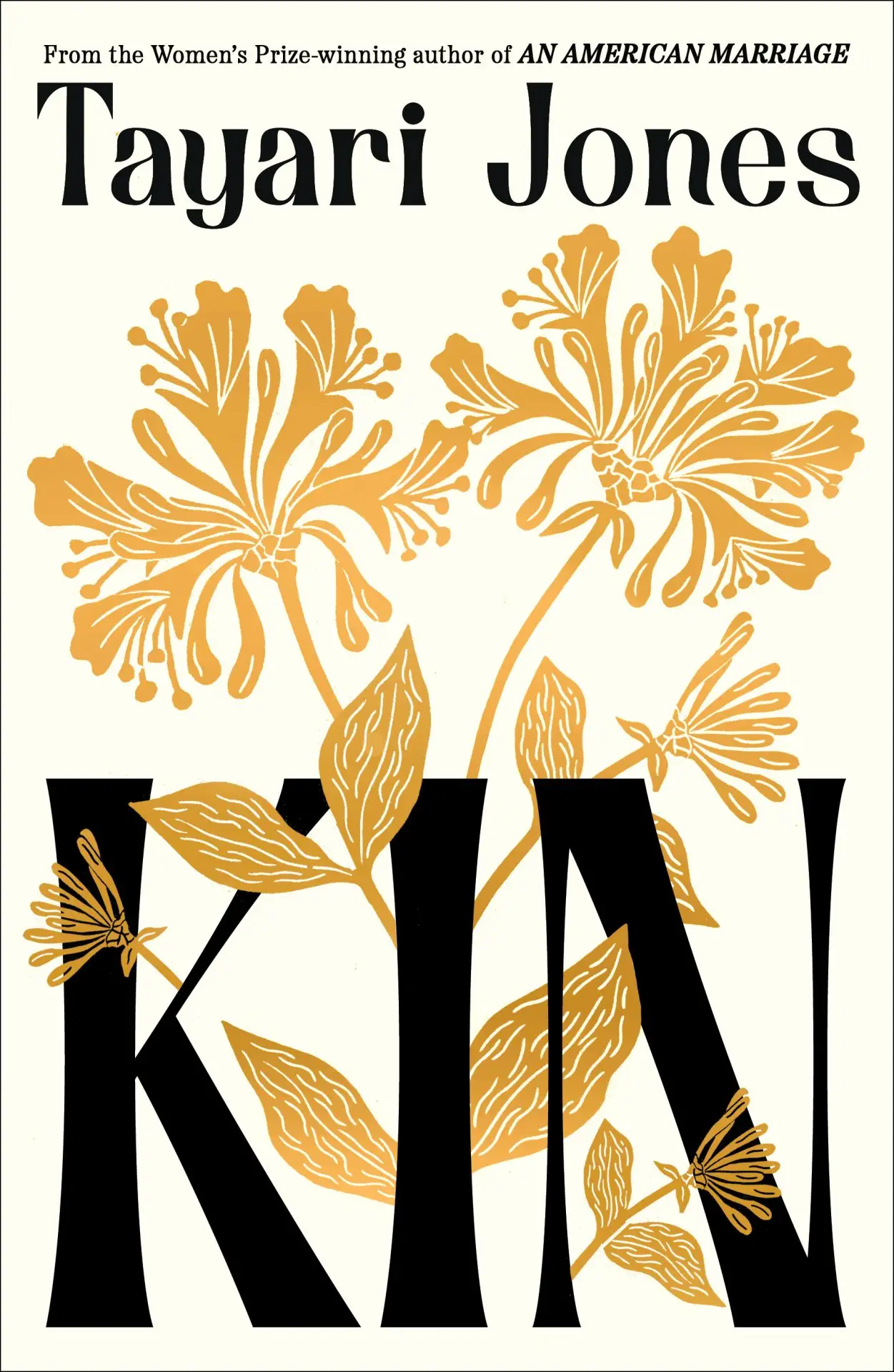
Vernice and Annie are born within days of each other in Honeysuckle, Louisiana. Inseparable throughout their childhood, the girls are united by a shared loss, for neither one will ever know her own mother.
Coming of age in the segregated America of the 1950s and 60s, at a time when women had few choices and little control over their own bodies, fate leads them down very different paths. Vernice pursues the education that her fiercely determined aunt envisaged for her, but it is marriage into an affluent family that provides her with a way to leave Honeysuckle behind.
Yet as Vernice looks to the future, Annie becomes possessed by an all-consuming desire to find her absent mother. When that search pulls her into a world of danger, it’s Vernice, her oldest friend, who must risk everything to save her.

NOMINATING LIBRARY COMMENTS
Tayari Jones is celebrated as a “bard of the modern South”, but her exploration of class, upward mobility, and the Black middle-class experience has deeply resonated with metropolitan communities like Los Angeles. The Los Angeles Times highly praised Kin, highlighting that “Jones has crafted a complex, layered story that’s both intimate and broad, a literary page-turner that’s impossible to put down”. The novel a highly sought after and discussed bestseller across Southern California independent bookstores and public libraries. Kin explores the lifelong bond between two motherless girls, Vernice and Annie, growing up in Honeysuckle, Louisiana, whose lives take wildly divergent paths, cleverly articulating it’s themes through their lives: At the Intersection of Class and Education
Vernice escapes her hometown, attends Spelman College, and enters a world of affluent Black middle-class sisterhood. Cycles of Adversity and Trauma
Annie stays behind to look for her estranged mother, encountering deep social and economic peril. Complex Sisterhood
Jones beautifully deconstructs the limits and strengths of sisterhood and found family, offering an emotionally raw look at race, gender, and the societal pressures placed on Black women in America. (Los Angles Public Library)