

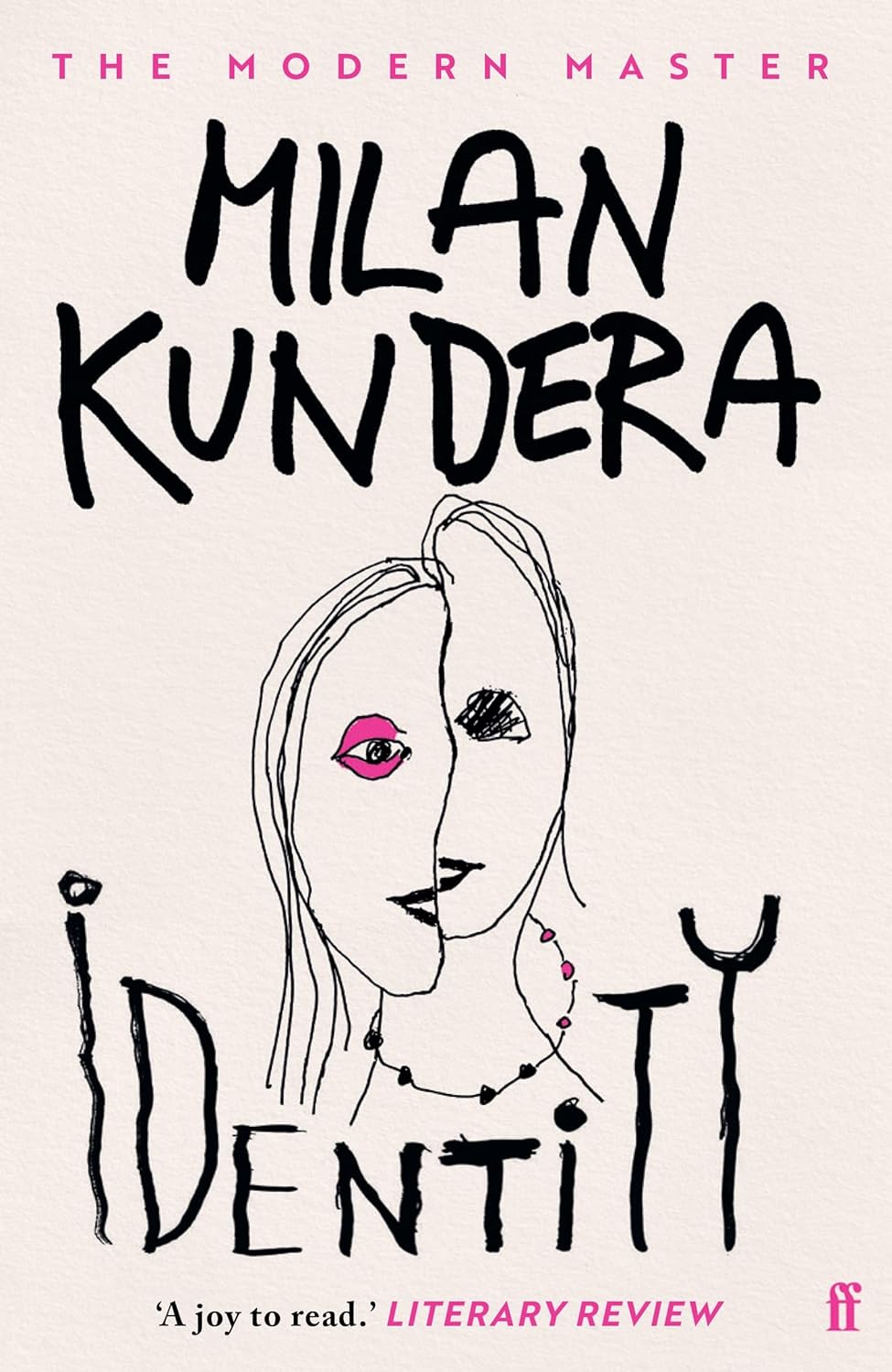
Identity

ABOUT
THE BOOK
Sometimes – perhaps only for an instant – we fail to recognise a companion; for a moment their identity ceases to exist, and thus we come to doubt our own. The effect is at its most acute in a couple where our existence is given meaning by our perception of a lover, and theirs of us. With his astonishing skill at building on and out from the significant moment, Kundera has placed such a situation and the resulting wave of panic at the core of his new novel. In a narrative as intense as it is brief, a moment of confusion sets in motion a complex chain of events which forces the reader to cross and recross the divide between fantasy and reality.


ABOUT
THE TRANSLATOR Linda
Asher
Linda Asher is a former fiction editor at the New Yorker and the translator of works by Victor Hugo, Georges Simenon, and Milan Kundera, among others.
Linda Asher is a former fiction editor at the New Yorker and the translator of works by Victor Hugo, Georges Simenon, and Milan Kundera, among others.
NOMINATING LIBRARY COMMENTS
The title of the novel perfectly describes its theme. The work explores the search for identity by the two main characters, Chantal and Jean Marc. Chantal copes by having “two faces”, one a mask to hide the unpleasant things in her life. Her second “face” is reserved for home and her lover, Jean Marc. Having only one face, Jean Marc has no ability to endure unsatisfactory situations and moves on in search of an ideal. The author very successfully portrays the insecurity of a menopausal woman and her lover’s fears for their endangered relationship. His attempts at improving her self-esteem by sending her anonymous letters, backfires. Chantal fantasises as to the identity of the sender. Jean Marc resents her secrecy regarding the letters and the efforts made by her to appear more attractive to an unknown admirer. Fact and fantasy become intertwined in this intense and beautiful love story. It is a slim volume, which deserves to be read slowly, every sentence savoured.(Member of Raheny Library Reading Group.)Kundera came to my attention with the translation of his book The Unbearable Lightness of Being, which was set during the revolution in Czechoslovakia. It was both humorous and poignant. However, France, where Kundera has lived since 1975, is the background for his most recently translated novel Identity. The central theme is the relationship between a middle-aged couple and their growing awareness that they may not know each other as well might be expected for people who have lived together for a decade or more. While it is beautifully written and witty, as are Kundera’s previous novels, the central characters simply do not encourage affection from this reader, and therefore the machinations of their relationship left me quite cold. Often I recognised emotions and anxieties that Kundera described as occurring between the protagonists, and initially his characterisations were psychologically interesting. However, for all the author’s cleverness in attempting to sustain the reader’s curiosity about whether the events described were reality or fantasy, by the end of this short book, my ultimate reaction was that I didn’t care. (Member of Raheny Library Reading Group)