


Frida’s Bed

ABOUT
THE BOOK
A few days before Frida Kahlo’s death in 1954, she wrote in her diary, “I hope the exit is joyful—and I hope never to return.” Diagnosed with polio at the age of six and plagued by illness and injury throughout her life, Kahlo’s chronic pain was a recurrent theme in her extraordinary art. In Frida’s Bed, Slavenka Drakulic´ explores the inner life of one of the world’s most influential female artists, skillfully weaving Frida’s memories into descriptions of her paintings, producing a meditation on the nature of chronic pain and creativity. With an intriguing subject whose unusual life continues to fascinate, this poignant imagining of Kahlo’s thoughts during her final hours by another daringly original and uncompromising creative talent will attract readers of literary fiction and art lovers alike.

ABOUT
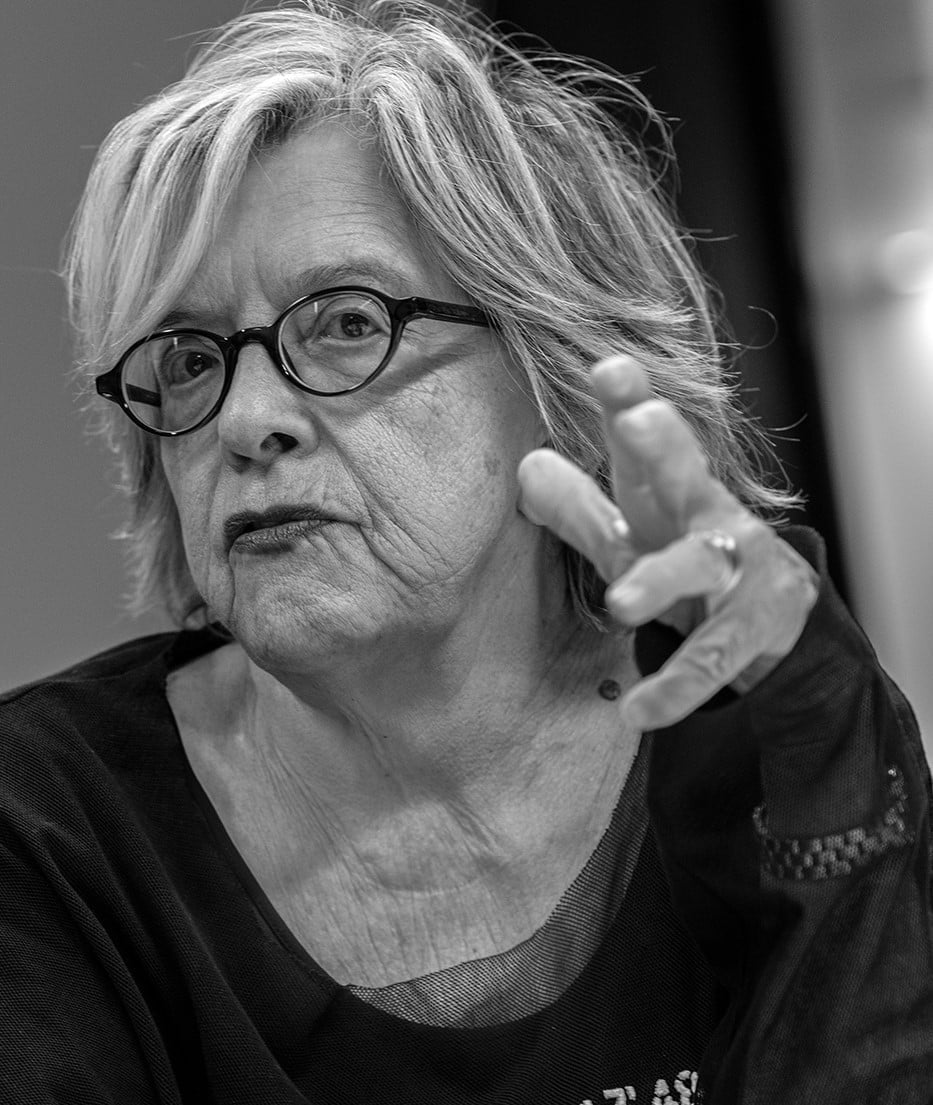
THE TRANSLATOR Christina
Pribicevic-Zoric
Christina Pribićević-Zorić is an American translator. She was born in New York to a Yugoslav father and an Irish mother. She has translated more than thirty books from Serbo-Croat and French into English. Some of her major translations include:
- The Dictionary of the Khazars by Milorad Pavić
- Landscape Painted with Tea by Milorad Pavić
- Zlata’s Diary by Zlata Filipović
- Tales of Old Sarajevo by Isak Samokovlija
- Frida’s Bed by Slavenka Drakulić
- Herbarium of Souls by Vladimir Tasic
- The House of Remembering and Forgetting by Filip David
Christina Pribićević-Zorić is an American translator. She was born in New York to a Yugoslav father and an Irish mother. She has translated more than thirty books from Serbo-Croat and French into English. Some of her major translations include:
- The Dictionary of the Khazars by Milorad Pavić
- Landscape Painted with Tea by Milorad Pavić
- Zlata’s Diary by Zlata Filipović
- Tales of Old Sarajevo by Isak Samokovlija
- Frida’s Bed by Slavenka Drakulić
- Herbarium of Souls by Vladimir Tasic
- The House of Remembering and Forgetting by Filip David
NOMINATING LIBRARY COMMENTS
Induced by personal experience, Slavenka Drakulic uses biographic facts from Frida Kahlo to express the moving strength of survival and creative strength of art as rebellion and concentration of restrained pain.