

England England

ABOUT
THE BOOK
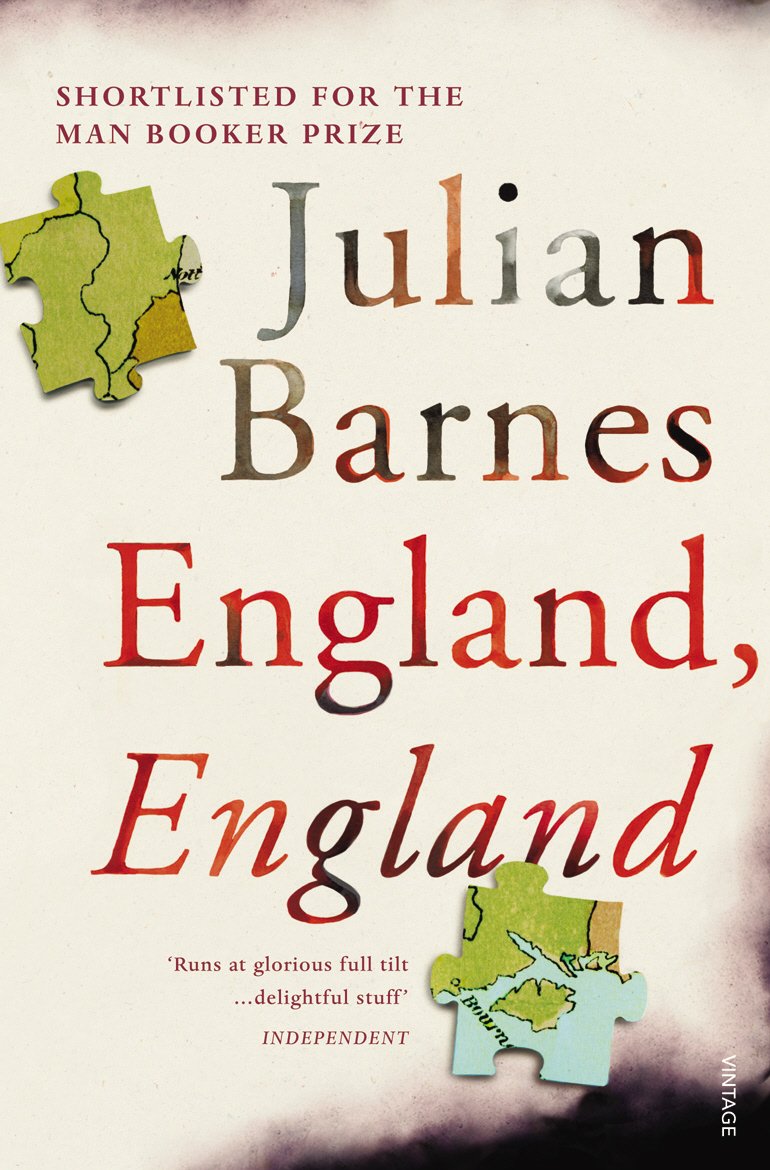
As every English schoolboy knows, you can fit the whole of England on the Isle of Wight. In Julian Barne’s new novel, the grotesque, visionary tycoon Sir Jack Pitman takes the saying literally and does exactly that. Starting from the premise that most tourists are interested only in the top attractions and are as satisfied with a replica as with the real thing, he constructs on the Island ‘The Project’, a vast heritage centre containing everything ‘English’, from Buckingham Palace to Stonehenge, from Manchester United to the White Cliffs of Dover. The project is monstrous, risky, and vastly successful. Indeed it gradually begins to rival ‘Old’ England and threatens to supersede it. Ferociously funny, unsparing in its attack, Julian Barne’s first novel for six years is a book about England, about the idea of England – and about the search for authenticity and truth amid the fabulation and bogusness that is ‘England’.

NOMINATING LIBRARY COMMENTS
This is a satirical novel set some time in the third Millennium but most probably not too far into the 21st century. The central character, Sir Jack Pitman, an ageing business tycoon, wants to leave a lasting monument after him and in conjunction with a team of experts, comes up with the idea of a theme park which represents England past and present. The chosen location is the Isle of Wight, now to be known as ‘England, England’. Its targeted market is top dollar and long yen with a view to making substantial profits. The project is a huge success. The Island, as it becomes known, declares unilateral independence, corners the tourism market from Old England, which now goes into decline. The writing is clever and witty. Sir Jack and his team would make a fine TV sitcom, the cast including his boring pedantic official historian (with his “snug cuffs”), his seemingly diffident Young Ideas Catcher, his brash but sycophantic Project Manager and a special consultant acting as Appointed Cynic (the only female). The Island has village greens, smuggler’s caves, Robin Hood, dinners with Dr. Johnson, the Royal Family and even a Bungalow Valley with wild ducks on the striped wallpaper, garden gnomes and antique satellite dishes. However, underlying the satire and spoof is the fundamental question of what is real, is existence as bogus as the England, England theme park? From being merely an entertainment like the theme park, the novel changes mood and becomes more reflective about life’s purpose and values. Theme parks and such like amuse us in the short term but provide no real answers to the fundamental question. Neither does the book…Nor could it. Ultimately well worth reading. (Member of Raheny Library Reading Group.)