
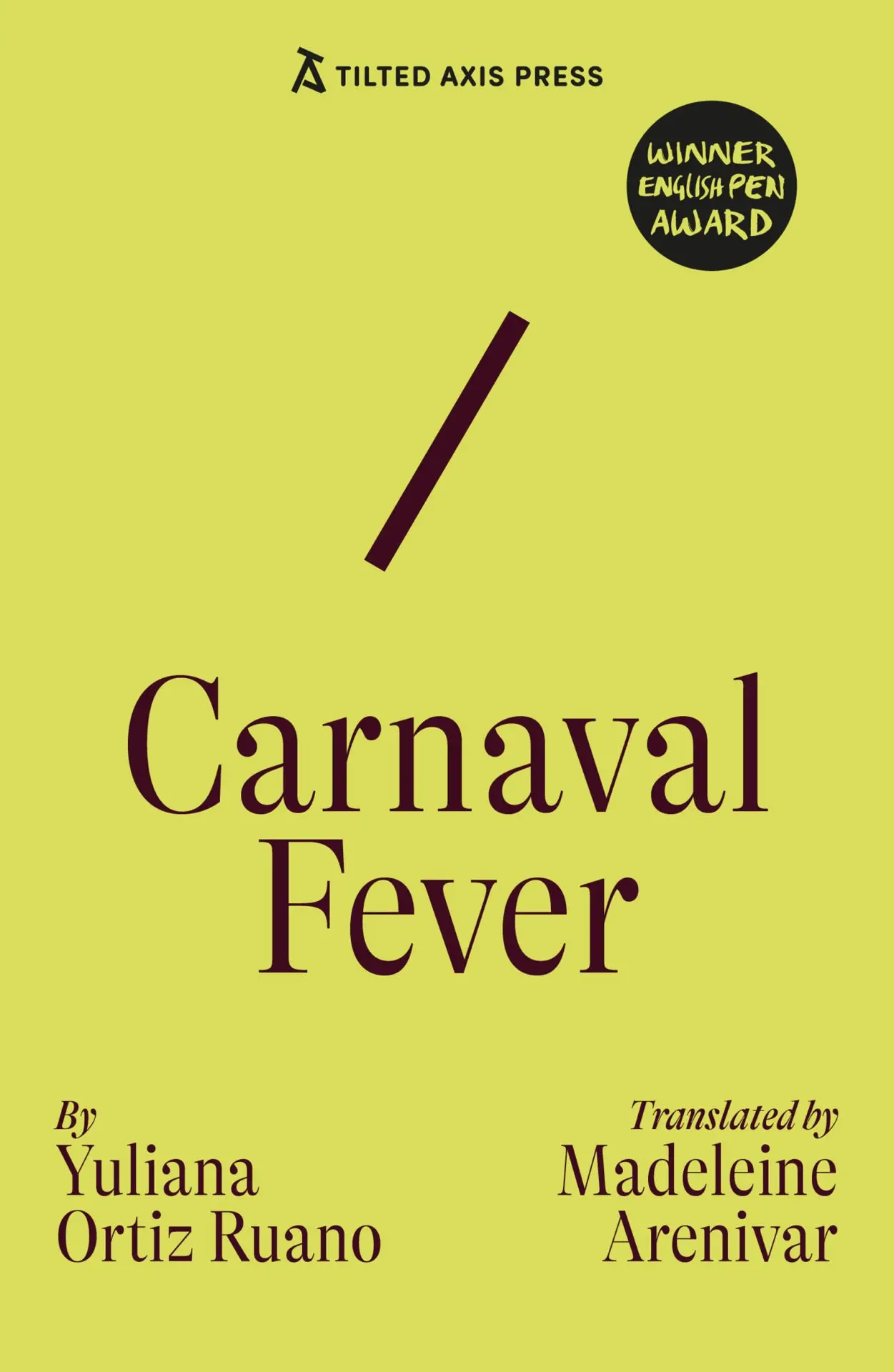
Carnaval Fever
ABOUT
THE BOOK
Ainhoa lives a protected life within the walls of her grandmother’s house, surrounded by a gaggle of aunts who become her teachers, guardians, and spiritual anchors. As she narrates moments with them, her mother and father, Ainhoa evokes the powerful presence of music and dance in her daily life – but especially at Carnaval – as the expression of Afro-Ecuadorian culture and resistance. Carnaval Fever explores the intergenerational resilience of women in the face of economic hardship, migration, and the spectre of male violence.
Original title in Spanish Fiebre de carnaval, published by La Navaja Suiza (2022)
ABOUT
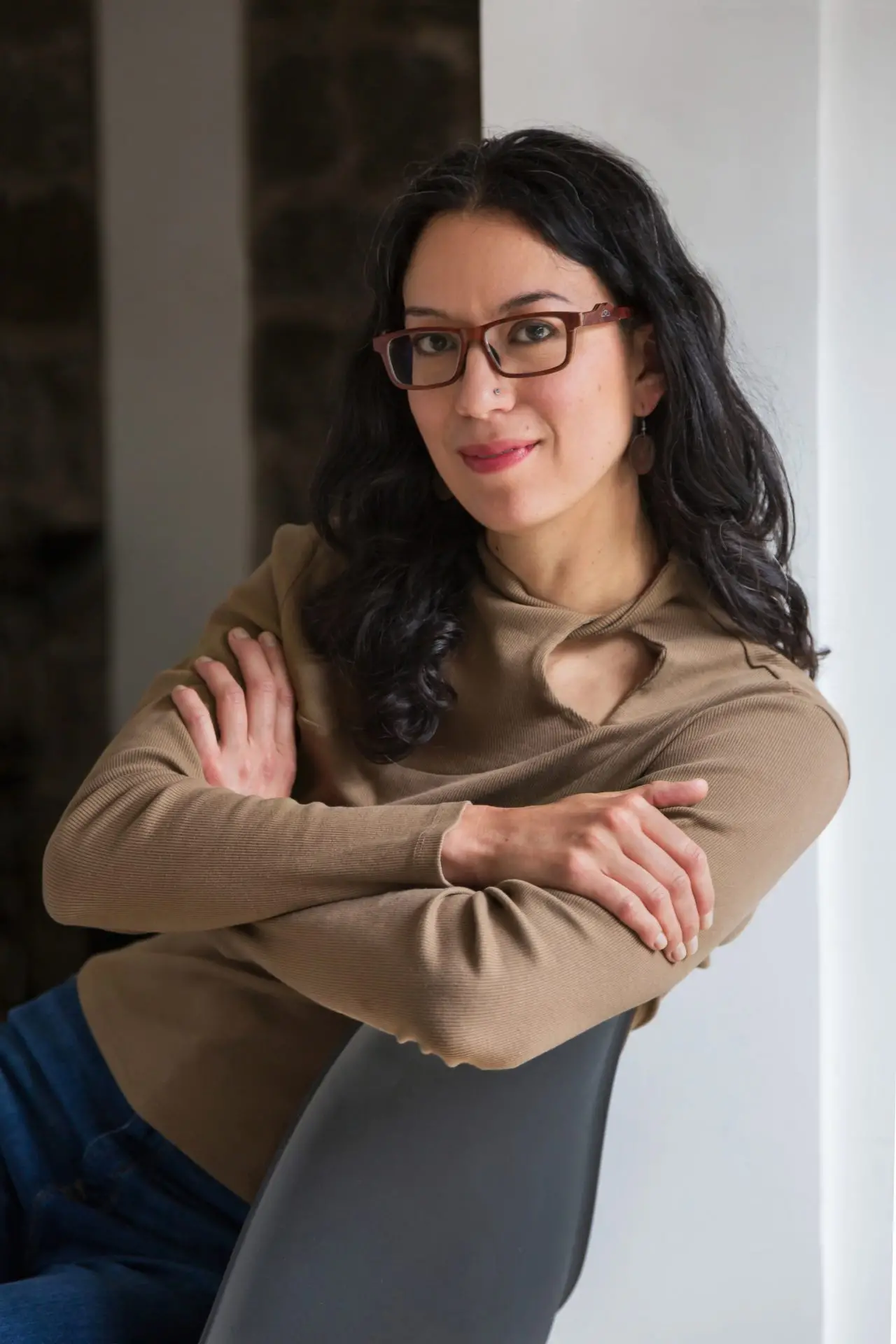
THE TRANSLATOR Madeleine
Arenivar
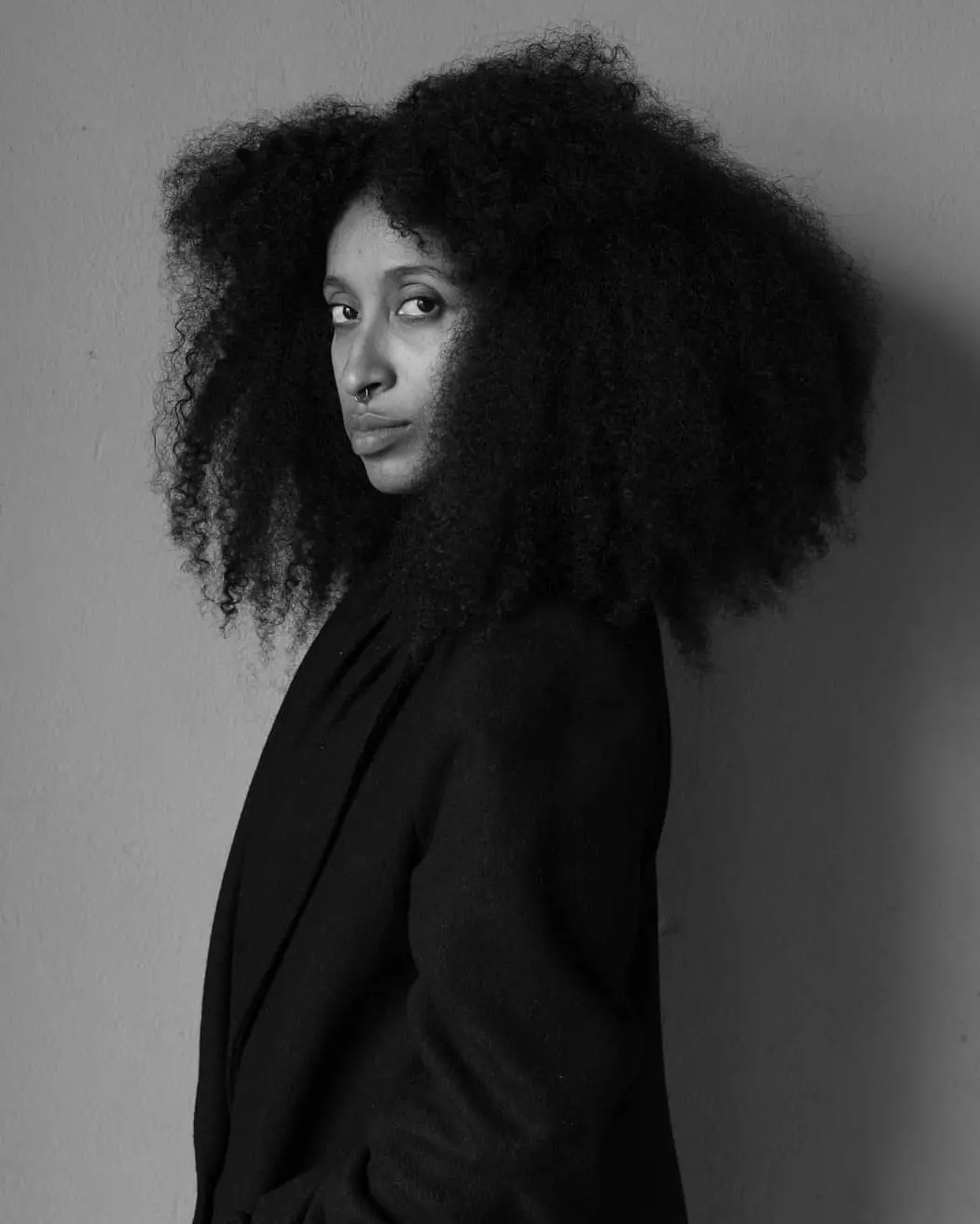
Madeleine Arenivar is a literary translator from Spanish living in Quito, Ecuador. Her short translations have been published in Another Chicago Magazine, Latin American Literature Today, Los Angeles Review, and the Best Literary Translations Anthology (Deep Vellum, 2024). She is a winner of the PEN Presents program (2023), and a past attendee of Bread Loaf Translator’s Conference. She has degrees from Vassar College and the Latin American Faculty of Social Sciences (FLACSO)Ecuador.
Madeleine Arenivar is a literary translator from Spanish living in Quito, Ecuador. Her short translations have been published in Another Chicago Magazine, Latin American Literature Today, Los Angeles Review, and the Best Literary Translations Anthology (Deep Vellum, 2024). She is a winner of the PEN Presents program (2023), and a past attendee of Bread Loaf Translator’s Conference. She has degrees from Vassar College and the Latin American Faculty of Social Sciences (FLACSO)Ecuador.
NOMINATING LIBRARY COMMENTS
The story is told with a colourful language echoing the quotidian musicality that accompanies the discomforts and joys of Ainhoa. Through seemingly ingenuous similes and metaphors, the author conveys the bittersweet emotions of a girl who, albeit protected and loved, gradually becomes aware of the injustices and perils surrounding her. (Biblioteca Daniel Cosío Villegas, El Colegio de México)